
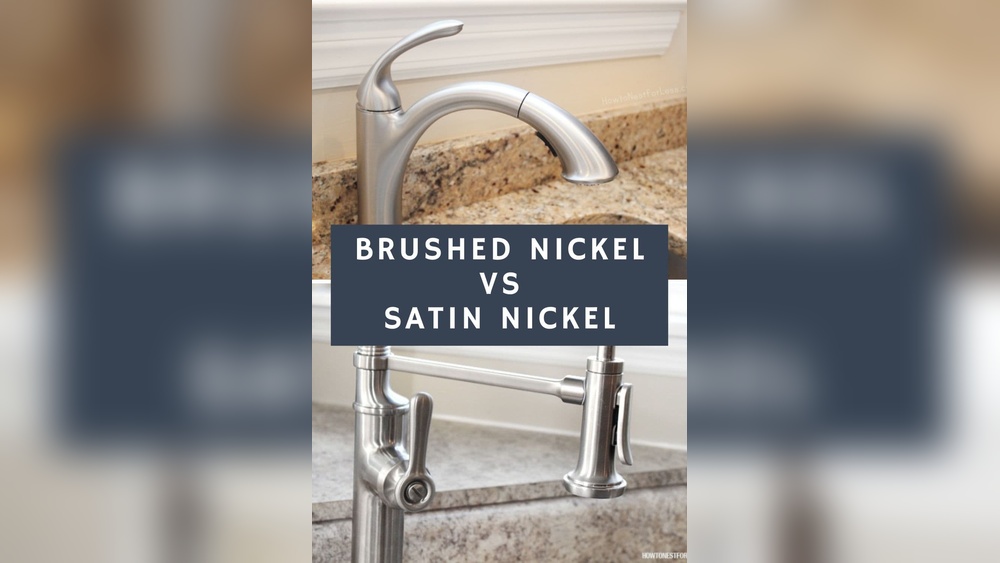
Choosing the right faucet finish can transform the look and feel of your kitchen or bathroom. Two of the most popular options today are satin nickel and brushed nickel. At first glance, these finishes might appear almost identical. Both offer a timeless, elegant appeal that fits well with modern and classic designs. However, subtle differences in appearance, maintenance, price, and durability can have a big impact on your satisfaction over time.
Many homeowners and designers struggle to decide between these two finishes. It\’s easy to get confused by product labels, marketing jargon, and conflicting advice. Some believe the terms are interchangeable, while others insist on clear distinctions. If you want your faucet to match your style and last for years, it’s important to understand what sets satin nickel and brushed nickel apart.
This guide takes you deep into the world of faucet finishes. You’ll learn how each is made, how they perform in real homes, and which one might be best for you. By the end, you’ll have all the facts to make a confident, informed choice.
What Is Satin Nickel?
Satin nickel is a metal finish often used for faucets, door handles, and other hardware. It’s made by electroplating nickel onto a brass or zinc base, then finishing the surface with a light polish. This creates a soft, smooth look with a gentle sheen—less reflective than chrome, but more lustrous than matte.
The main appeal of satin nickel is its subtle elegance. The finish has a warm, silvery tone that fits well with many decor styles. It doesn’t grab attention like high-gloss finishes, but it adds a touch of sophistication. Because satin nickel doesn’t show fingerprints or water spots easily, it’s a favorite in busy kitchens and bathrooms.
Satin nickel works well with both light and dark color schemes. In traditional homes, it blends with wood cabinets and granite counters. In modern settings, it pairs nicely with white, gray, or black themes. The finish is also forgiving if you have mixed metals, such as stainless steel appliances and brass accents.
What Is Brushed Nickel?
Brushed nickel is another popular finish for faucets and hardware. Like satin nickel, it starts with a base of nickel electroplated onto metal. The big difference is the final step: the surface is brushed with a fine abrasive, creating tiny lines that give it a textured, matte look.
This brushing process gives the finish a more industrial, contemporary feel. The lines are usually visible up close, but not rough to the touch. Brushed nickel is slightly darker than satin nickel, with a soft, muted shine. It’s less reflective, so it hides smudges and scratches well.
Brushed nickel looks great in modern kitchens, urban lofts, and minimalist bathrooms. It pairs well with other brushed finishes, such as stainless steel sinks or light fixtures. The texture adds visual interest without being flashy, making it a safe choice if you want something stylish but understated.
Key Differences: Satin Nickel Vs Brushed Nickel
Many buyers assume satin nickel and brushed nickel are the same. In reality, several factors set them apart. Understanding these can help you choose the right finish for your space.
Appearance
The most obvious difference is the look. Satin nickel has a smoother, more even surface with a soft glow. Brushed nickel has fine lines or streaks, giving it a textured appearance and a slightly darker shade.
From a distance, both finishes can look similar. Up close, the contrast is clear:
- Satin nickel: Smooth, satiny texture, subtle sheen, warmer tone
- Brushed nickel: Textured, visible brush marks, matte finish, cooler tone
Feel
When you touch the two finishes, satin nickel feels smoother. Brushed nickel may feel a bit more textured due to the brushing process. Neither is rough, but the difference is noticeable for sensitive fingers.
Light Reflection
Satin nickel reflects more light due to its semi-polished surface. This can make a small bathroom or kitchen look brighter. Brushed nickel absorbs more light, reducing glare and creating a softer, more muted effect.
Durability
Both finishes are durable, but brushed nickel tends to hide scratches and fingerprints better because of its texture. Satin nickel may show fine scratches over time, especially in high-use areas.
Maintenance
Cleaning is easy for both finishes, but brushed nickel is more forgiving if you miss a spot. Water stains, smudges, and fingerprints blend in with the textured surface. Satin nickel may need more frequent wiping to maintain its even look.
Price
Prices for both finishes can vary depending on brand, style, and quality. However, satin nickel is sometimes a bit more expensive due to the extra polishing step. The price difference is usually small—often $10 to $30 per faucet.
How Are Satin Nickel And Brushed Nickel Made?
Knowing how each finish is created can help you understand their unique qualities.
Satin Nickel Manufacturing
- Base Preparation: The faucet body (usually brass or zinc) is cleaned and smoothed.
- Electroplating: A thin layer of nickel is applied using an electric current.
- Polishing: The surface is lightly polished to create a soft, satiny sheen—shinier than brushed, but not as glossy as chrome.
- Protective Coating: Sometimes, a clear lacquer is added for extra durability.
Brushed Nickel Manufacturing
- Base Preparation: Same as satin nickel.
- Electroplating: Nickel is applied to the base metal.
- Brushing: The surface is brushed with fine abrasives to create tiny lines.
- Protective Coating: Often, a clear topcoat is applied to resist tarnish and stains.
The brushing step is what gives brushed nickel its unique look and feel. This process also helps mask future scratches and wear.
Where Each Finish Works Best
Choosing between satin nickel and brushed nickel depends on your design goals, lifestyle, and even the amount of light in your space.
Satin Nickel: Best Uses
- Classic bathrooms: Adds subtle shine without overwhelming traditional decor.
- Bright kitchens: Reflects light, making small spaces feel larger.
- Mixing metals: Works well with both stainless steel and warmer brass or bronze.
- Family homes: Hides fingerprints and water spots better than chrome.
Brushed Nickel: Best Uses
- Modern bathrooms: Fits with minimalist or industrial styles.
- Open kitchens: Matches brushed stainless appliances and fixtures.
- High-traffic areas: Texture hides scratches and everyday wear.
- Low-maintenance homes: Requires less frequent cleaning.
Matching With Other Fixtures And Decor
Consistency is key when choosing a faucet finish. Mixing the wrong finishes can make a space look disjointed.
- Satin nickel pairs well with polished or satin hardware—such as towel bars and cabinet handles.
- Brushed nickel looks best with other brushed or matte finishes—such as stainless steel sinks or brushed light fixtures.
If you already have a mix of finishes in your home, focus on matching visible items. For example, match your faucet to your cabinet hardware, or your shower head to your bath handles.
Real-world Examples
To see how these finishes look in practice, consider a few real homes:
- In a modern loft, a brushed nickel faucet complements stainless steel appliances and exposed pipes. The texture adds interest without clashing with the industrial decor.
- In a classic white bathroom, a satin nickel faucet blends with marble counters and polished hardware. The soft sheen adds elegance but keeps the overall feel calm and inviting.
- In a busy family kitchen, brushed nickel fixtures resist fingerprints and water spots from kids’ hands, making them easier to maintain.
Pros And Cons
Both finishes have strengths and weaknesses. Here’s a direct comparison to help you weigh the options:
| Feature | Satin Nickel | Brushed Nickel |
|---|---|---|
| Appearance | Smooth, subtle sheen | Textured, matte finish |
| Light Reflection | More reflective | Less reflective |
| Fingerprint Resistance | Good | Excellent |
| Scratch Resistance | Fair | Very good |
| Maintenance | Easy | Easier |
| Best Style Fit | Traditional, classic | Modern, industrial |
| Price | Slightly higher | Slightly lower |
Cleaning And Maintenance Tips
Keeping your faucet looking new isn’t hard, but each finish has its own best practices.
Satin Nickel Care
- Wipe regularly with a soft, damp cloth.
- Avoid harsh chemicals or abrasive cleaners.
- For tough stains, use a mix of mild soap and water.
- Dry with a microfiber cloth to reduce water spots.
- Apply a thin coat of car wax every 6-12 months for extra protection.
Brushed Nickel Care
- Clean with a damp cloth; buff dry with a towel.
- Avoid steel wool or rough sponges, which can ruin the brushed texture.
- Use mild soap for sticky spots.
- Do not use bleach or ammonia-based cleaners.
A common mistake is using abrasive pads on either finish. This can scratch the surface and ruin the look. Always stick to soft cloths and gentle cleaners.
Longevity And Wear
Both finishes can last 10–20 years or more if cared for properly. However, high-traffic areas or rough use can wear them down faster.
Brushed nickel generally ages better in busy spaces, as its texture hides small scratches and dings. Satin nickel can develop a few visible scratches over time, especially if scrubbed with rough materials.
Exposure to hard water can cause spotting or mineral buildup on both finishes. Installing a water softener or wiping fixtures dry after use can help prevent this problem.
Cost Comparison
The price of a faucet depends on the brand, style, and features, but finish can also play a role. On average:
- Satin nickel faucets: $80–$300 each
- Brushed nickel faucets: $70–$280 each
The price gap is usually small, but higher-end brands may charge more for satin nickel due to the extra polishing. When comparing two similar models, expect to pay $10–$30 more for satin nickel.
Labor costs for installation are the same for both finishes.
Popular Brands And Models
Many leading brands offer both satin nickel and brushed nickel options. Here are a few examples:
- Moen: Their “Eva” and “Brantford” collections come in both finishes.
- Delta: The “Lahara” and “Trinsic” series are available in satin and brushed nickel.
- Kohler: Well-known for their “Forte” and “Devonshire” lines, which offer both.
- Pfister: The “Jaida” and “Selia” collections feature multiple nickel options.
When shopping, check the product description carefully. Some brands use the terms “satin” and “brushed” interchangeably, but there are real differences in appearance.

Credit: www.leftonhome.com
Common Mistakes When Choosing
Many people regret their faucet choice because they:
- Ignore existing hardware: Mixing finishes can disrupt the room’s look.
- Forget about lighting: Satin nickel looks brighter; brushed nickel is more muted.
- Don’t consider cleaning: If you hate wiping faucets daily, brushed nickel is easier.
- Assume all nickels match: Different brands and batches can look slightly different. Try to buy all fixtures from the same brand and finish line.
- Choose by price alone: The cheapest option may not last as long or look as good.
How To Decide: Questions To Ask Yourself
To avoid mistakes, ask yourself:
- What style is my kitchen or bathroom? (Traditional, modern, industrial)
- Do I want my faucet to match other fixtures?
- How much cleaning am I willing to do?
- Is my space bright or dim?
- Am I sensitive to scratches or water spots?
Your answers will point you toward the finish that best fits your needs.

Credit: www.glasscraftersinc.com
Environmental Impact
Both finishes are made with nickel, which is a mined material. The electroplating process uses chemicals that must be handled carefully to avoid pollution.
Some manufacturers use eco-friendly processes or recycle water and chemicals during production. If sustainability is important to you, look for brands that highlight green manufacturing practices.
Nickel finishes are long-lasting, reducing the need for frequent replacements. This can offset some of the environmental cost over time.
How Do They Compare To Other Finishes?
Satin nickel and brushed nickel are just two of many faucet finishes. Here’s how they stack up against other common options:
| Finish | Durability | Maintenance | Style |
|---|---|---|---|
| Chrome | High | Shows fingerprints | Modern, bright |
| Stainless Steel | Very high | Easy | Industrial, sleek |
| Oil-Rubbed Bronze | Medium | Shows wear | Classic, rustic |
| Satin Nickel | High | Easy | Classic, versatile |
| Brushed Nickel | High | Easiest | Modern, subtle |
Chrome is very reflective and shows spots easily. Oil-rubbed bronze is beautiful but can show wear in high-use areas. Both satin and brushed nickel offer a nice balance of style, durability, and easy care.

Credit: www.ecfinc.com
Real-world Insights: What Homeowners Say
Many real homeowners have shared their experiences:
- Satin nickel owners appreciate the “soft glow” and classic look. Some notice water spots after a few days if not wiped down.
- Brushed nickel fans love how little cleaning is needed. They say minor scratches from rings or tools are almost invisible.
- Some regret mixing the two finishes in the same room, as the difference is more obvious than expected under certain lighting.
- A few mention that cheaper brushed nickel faucets may develop a yellowish tint over time—choose reputable brands to avoid this.
An insight many beginners miss: lighting changes everything. Satin nickel can look almost like chrome in bright sunlight, while brushed nickel might look dull in a dark room. Always check finish samples at home before buying.
Making The Final Choice
If you want a warmer, smoother look and don’t mind a bit more cleaning, satin nickel is the way to go. For the lowest maintenance and best scratch resistance, brushed nickel is your best bet.
Don’t rely on photos alone. Visit a showroom or order a sample to see and feel each finish in your home’s lighting. Remember to match your faucet to other hardware for a polished, professional result.
If you want to explore more about metal finishes, the Wikipedia page on brushed metal explains the manufacturing process in detail.
Frequently Asked Questions
What Is The Main Difference Between Satin Nickel And Brushed Nickel?
The main difference is in the final surface treatment. Satin nickel is lightly polished for a smooth, soft sheen. Brushed nickel is finished with fine abrasives to create visible brush marks and a matte texture.
Which Finish Is Easier To Maintain?
Brushed nickel is generally easier to maintain. Its textured surface hides water spots, fingerprints, and small scratches better than the smoother surface of satin nickel.
Can I Mix Satin Nickel And Brushed Nickel In The Same Room?
It\’s possible, but usually not recommended. The different textures and sheens can clash. If you do mix, try to keep them on separate surfaces (for example, cabinet handles in one finish, faucets in another).
Do These Finishes Tarnish Or Rust Over Time?
Both finishes are resistant to tarnish and rust with proper care. However, exposure to harsh chemicals or hard water can cause spotting. Regular gentle cleaning will keep them looking new.
Is There A Big Price Difference Between Satin Nickel And Brushed Nickel Faucets?
The price difference is usually small—often $10 to $30 more for satin nickel. Factors like brand, style, and features have a bigger impact on price than the finish alone.
Choosing between satin nickel and brushed nickel is about more than looks. It’s about how you use your space, how much cleaning you want to do, and the style you love. With the right knowledge, you’ll enjoy your new faucet for years to come.