
When temperatures drop below freezing, many homeowners worry about one thing—burst pipes. Outdoor faucets are especially at risk. For decades, regular hose bibs (also called spigots or sillcocks) were the only option. But today, frost free faucets are common in new homes, and plumbers recommend them for anyone who faces cold winters. If you’re choosing a faucet for your home or want to avoid costly water damage, it’s important to understand the differences between these two options.
This article will give you a complete look at frost free faucets vs regular faucets, including how they work, their pros and cons, installation tips, maintenance needs, and real-world costs. By the end, you’ll know which is right for your home—and how to avoid the mistakes that can lead to leaks, headaches, and repair bills.
How Each Faucet Works
Outdoor faucets look simple, but their design has a big impact on how they handle freezing temperatures. Let’s start with how each one functions.
Regular Faucet Design
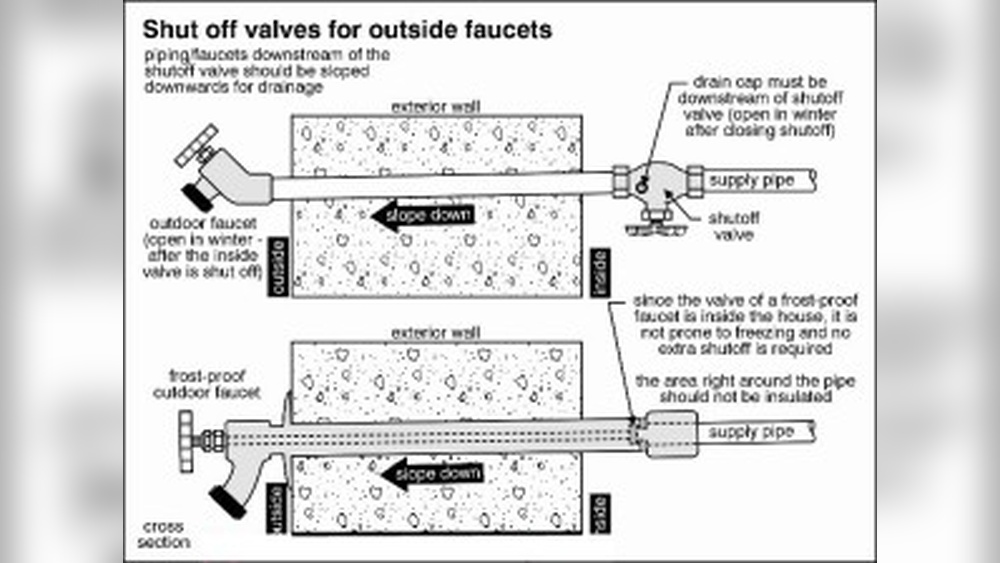
A regular outdoor faucet is a basic valve connected to your home’s water supply. The handle turns a stem, opening or closing a rubber washer against a seat to control water flow. This simple design works well in warm climates. However, the shutoff valve sits right next to the outside wall, which leaves water in the pipe exposed to freezing air.
When water freezes, it expands. If water is trapped inside the faucet or pipe, it can burst, causing leaks in your wall or crawlspace. Even a small crack can lead to hundreds or thousands of dollars in water damage.
Frost Free Faucet Design
A frost free faucet (sometimes called a frost-proof sillcock) solves this problem with a longer valve stem. When you turn the handle outside, a rod runs back inside the wall—usually 8 to 12 inches—where the actual valve shuts off the water deep inside your home, where it’s warm.
Because the water stops inside the house, the short pipe section outside drains out when you turn off the faucet. With no water left to freeze, the risk of bursting drops dramatically. This design is now code in many cold-weather areas.
Key Differences At A Glance
Below is a simple comparison to help you see the main differences between a frost free faucet and a regular one.
| Feature | Frost Free Faucet | Regular Faucet |
|---|---|---|
| Freeze Protection | Excellent (if installed correctly) | Poor |
| Valve Location | Inside warm wall | Outside wall |
| Maintenance | Low | Needs winterizing |
| Typical Cost | Higher upfront | Cheaper upfront |
| Common in New Homes | Yes | No |

Credit: www.aquorwatersystems.com
Pros And Cons Of Frost Free Faucets
Many homeowners wonder if frost free faucets are worth the extra cost and installation work. Here’s an honest look at the main benefits and drawbacks.
Advantages
1. Freeze Protection
The number one reason for choosing a frost free faucet is protection from pipe bursts. When installed properly, these faucets almost never freeze, even in harsh winters.
2. Low Maintenance
You don’t have to shut off and drain the faucet every winter. This is a big time-saver, especially for people who aren’t always home during cold snaps.
3. Year-round Use
Frost free faucets let you use outdoor water whenever you want, even during early spring or late fall, without worrying about unexpected freezes.
4. Peace Of Mind
Many insurance claims for water damage come from frozen pipes. Knowing your outdoor faucet is protected can help you sleep better.
5. Code Compliance
In many areas with cold winters, building codes now require frost free faucets for new homes.
Disadvantages
1. Higher Upfront Cost
Frost free faucets usually cost $20–$40, compared to $10–$20 for regular models. Professional installation also takes more time, which can add $50–$150 to labor costs.
2. Requires Correct Slope
If the pipe isn’t installed with a slight downward angle to the outside, water can stay trapped inside and freeze. This is a common installation mistake.
3. Backflow Risk
If you leave a hose attached during freezing weather, water can’t drain out, and even a frost free faucet can burst. Always remove hoses before winter.
4. Repair Can Be Harder
Because the valve is deep inside the wall, repairs can be more complicated and may require special tools or a plumber.
Pros And Cons Of Regular Faucets
Regular hose bibs are still used in warm climates or for budget installations. Here’s what to expect.
Advantages
1. Low Cost
Regular faucets are simple and cheap. For a basic replacement or in a climate where freezing isn’t a concern, they’re a cost-effective choice.
2. Easy To Repair
The design is basic, and almost any plumber or DIYer can replace washers or fix leaks with simple tools.
3. No Slope Needed
Since there’s no need to drain water out, the installation is a little less fussy.
Disadvantages
1. High Freeze Risk
In any area where temperatures drop below freezing, a regular outdoor faucet is a gamble. One cold night can lead to a burst pipe.
2. Requires Winterizing
To avoid freezing, you must shut off the water supply from inside the house and drain the faucet every fall.
3. Not Allowed By Code In Cold Climates
Many towns and cities require frost free faucets for any new or replacement outdoor spigots.
4. Water Damage
If you forget to winterize, you risk leaks inside your walls—a serious and expensive problem.
Real-world Costs And Value
Some homeowners balk at paying extra for a frost free faucet. But is the higher cost worth it? Let’s break down typical costs and what you get for your money.
Purchase Price And Installation
| Item | Frost Free Faucet | Regular Faucet |
|---|---|---|
| Faucet Price | $20–$40 | $10–$20 |
| Professional Installation | $100–$250 | $75–$200 |
| Total Typical Cost | $120–$290 | $85–$220 |
| Estimated Lifespan | 15–25 years | 10–20 years |
Repair And Replacement
- Frost free faucets last longer but can be harder to repair if the valve fails.
- Regular faucets are cheaper to fix, but if a freeze causes a pipe burst, repairs can cost $500–$3,000 or more.
Insurance Impact
Water damage from frozen pipes is one of the most common home insurance claims. Some insurance companies may offer lower premiums if you have frost free faucets, especially in cold regions. It’s worth checking with your provider.
Installation: What Really Matters
A frost free faucet is only as good as its installation. Even the best model can freeze and fail if installed incorrectly. Here’s what to watch out for.
Slope Is Critical
The pipe must be installed so it slopes gently downward toward the outside. This lets all water drain out when the faucet is turned off. If the pipe sags or runs level, a small amount of water can get trapped and freeze.
Seal The Wall Opening
The hole where the faucet goes through the wall should be sealed with caulk or expanding foam. This keeps cold air out and prevents drafts that can freeze the pipe behind the wall.
Hose Removal
Never leave a garden hose attached during winter. A hose traps water inside the faucet, defeating the frost free design. This is the #1 cause of frost free faucet failures.
Shutoff Valve (if Needed)
In very cold climates, some plumbers recommend an indoor shutoff valve for extra safety. This lets you turn off water to the outdoor faucet entirely during the coldest months.
Professional Vs Diy
A skilled DIYer can install a frost free faucet with basic plumbing tools. But if you’re unsure about measuring the slope or sealing the wall, it’s worth hiring a pro. A single installation mistake can lead to expensive repairs.

Credit: support.boshart.com
Maintenance Requirements
Both types of faucets need some care to stay in good shape. Here’s what you should do for each.
Frost Free Faucet Maintenance
- Check for leaks: Once a year, look for drips or water in your basement or crawlspace near the faucet.
- Remove hoses: Always take off hoses before freezing weather.
- Inspect handle and vacuum breaker: Check for cracks or wear.
- Test drainage: Turn off the faucet, then open it outside to make sure water drains out.
Regular Faucet Maintenance
- Winterize every year: Before the first freeze, shut off the supply valve inside the house and open the outside faucet to drain water.
- Check for leaks: Watch for water dripping from the spout or pipe.
- Replace washers: If the faucet drips, a new rubber washer usually fixes the problem.
Common Mistakes And How To Avoid Them
Many faucet failures happen because of simple errors. Here’s what to watch for—and how to stay safe.
1. Leaving The Hose Attached
The most common mistake with frost free faucets. Always remove hoses before freezing weather.
2. Incorrect Slope
If the pipe slopes up or is level, water won’t drain. Make sure the faucet is installed with a slight downward angle.
3. Poor Wall Sealing
Gaps around the faucet let cold air in. Always seal with caulk or foam.
4. Forgetting To Winterize Regular Faucets
If you have a regular faucet in a cold climate, set a reminder to shut off and drain it every fall.
5. Using A Frost Free Faucet In Unheated Spaces
If the inside part of the faucet is in an unheated garage or crawlspace, it can still freeze. Make sure the valve is inside the warm part of your home.
Which Should You Choose?
The right faucet depends on your climate, budget, and how much maintenance you want to do.
- Cold Climates: If you live where winter temperatures drop below freezing, a frost free faucet is almost always the best choice. The extra cost is small compared to the risk of water damage.
- Warm Climates: In areas where it never freezes, a regular faucet is fine. It’s cheap, simple, and easy to fix.
- Rental Properties or Vacation Homes: Frost free faucets are a good idea for homes that may sit empty in winter—no one has to remember to winterize.
If you’re replacing an old faucet, check your local codes. Many towns require frost free models for any new installation.
Non-obvious Insights
Here are two important facts many homeowners miss:
- Vacuum Breakers Matter: Many frost free faucets come with a built-in vacuum breaker (the small cap on top). This prevents dirty water from being sucked back into your home’s supply—a hidden health risk. If your faucet doesn’t have one, you can add a screw-on vacuum breaker.
- Not All Frost Free Faucets Are Equal: Some cheap models use lower quality materials that may corrode or wear out faster. Spend a little more on a name brand with solid brass or stainless steel parts for longer life.
Real-world Example
Consider a homeowner in Chicago who kept a regular faucet. One December, they forgot to winterize. A pipe burst inside the wall, causing $2,700 in damage and ruining the basement carpet. For just $100 more, a frost free faucet would have prevented this disaster.
Frost Free Faucet Vs Regular Faucet: Quick Comparison
Below is a summary table for fast reference.
| Aspect | Frost Free Faucet | Regular Faucet |
|---|---|---|
| Winter Maintenance | None (just remove hose) | Must shut off and drain |
| Installation Difficulty | Medium (needs slope and sealing) | Easy |
| Risk of Burst Pipes | Very low (if installed right) | High in cold climates |
| Code Compliance | Required in cold areas | Not allowed in cold areas |
| Repair Cost | Higher | Lower |

Credit: www.youtube.com
Frequently Asked Questions
What Is The Main Difference Between A Frost Free Faucet And A Regular Faucet?
A frost free faucet has a long stem that shuts off water inside the warm part of your house, preventing water from freezing in the pipe. A regular faucet shuts off right at the outside wall, which allows water to freeze and possibly burst the pipe.
Can I Install A Frost Free Faucet Myself?
Yes, if you are comfortable with basic plumbing and have the right tools. The key is to install the faucet with a slight downward slope so it drains properly and to seal the wall opening. If you’re not sure, a plumber can do the job quickly and correctly.
Do I Need To Winterize A Frost Free Faucet?
No, as long as you remove any attached hoses before freezing weather. If a hose stays attached, water can be trapped and freeze, causing damage even to a frost free faucet.
How Do I Know If I Have A Frost Free Faucet?
A frost free faucet is usually longer (8–12 inches inside the wall) and the valve shuts off deep inside the house. You can also check the model number or look for a vacuum breaker on top. If you’re unsure, ask a plumber.
Are Frost Free Faucets Required By Building Codes?
In many cold-weather areas, yes. Building codes often require frost free faucets for any new or replaced outdoor spigot. Always check your local regulations before installing.
For more details on building codes and frost free faucet design, you can visit the Wikipedia page on frost free faucets.
Choosing the right outdoor faucet is a small decision that can have a big impact. By understanding the differences and following best practices, you can protect your home from costly water damage and enjoy reliable water service all year round.