
Have you ever turned on your faucet only to be hit by a strong smell of rotten eggs? That unpleasant sulfur-like odor coming from your water can be confusing and even alarming.
You might wonder, “Is my water safe to use? ” or “What’s causing this nasty smell in my home? ” The good news is, you’re not alone—and understanding why your faucet water smells like rotten eggs is the first step to fixing it.
You’ll discover the common reasons behind that foul odor and simple solutions you can try right now. Keep reading to take control of your water quality and say goodbye to that rotten egg smell for good.

Credit: www.cleanwaterstore.com
Rotten Egg Smell Causes
The rotten egg smell in faucet water is a common and unpleasant issue. It often signals the presence of hydrogen sulfide gas. This gas gives off a strong sulfur odor, similar to rotten eggs. Several causes can trigger this smell. Understanding these causes helps in finding the right solution quickly.
Water Heater Reactions
Water heaters can produce the rotten egg smell due to chemical reactions. Inside the heater, bacteria may react with the anode rod. This rod prevents corrosion but can cause hydrogen sulfide gas. Hot water often smells worse because heat speeds up these reactions. Flushing the water heater and replacing the anode rod can reduce the smell.
Drain And Garbage Disposal Bacteria
Bacteria grow in sink drains and garbage disposals. They feed on food particles and organic matter. As bacteria break down waste, they release sulfur compounds. These compounds create the rotten egg odor. Regular cleaning of drains and disposals helps stop bacteria buildup. Using bleach or vinegar can kill these bacteria effectively.
Well Water Contamination
Well water may contain natural sulfur bacteria. These bacteria live in groundwater and produce hydrogen sulfide. Water drawn from wells sometimes carries this gas into homes. The smell may be stronger after heavy rain or drought. Treating well water with chlorination or aeration removes sulfur bacteria and improves smell.
Plumbing And Water Softener Issues
Old or corroded plumbing can cause sulfur smells. Pipes may react with water, creating hydrogen sulfide gas. Water softeners can also trap bacteria inside. This leads to odor buildup in the softener system. Cleaning or replacing parts of the plumbing and softener can fix the problem. Proper maintenance keeps water fresh and odor-free.
Identifying Smell Sources
Identifying the source of a rotten egg smell in your faucet water helps solve the problem quickly. The smell comes from hydrogen sulfide gas, but the cause varies. You need to check where and when the smell appears. This information guides the right fix.
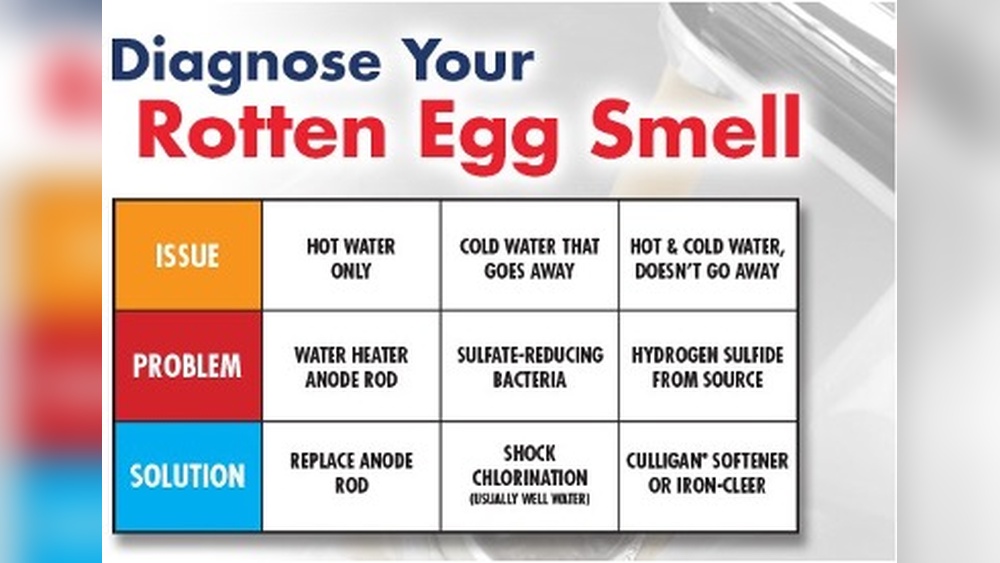
Pay close attention to whether the smell is in hot water, cold water, or both. Notice if it happens at all faucets or just some. Also, watch if the odor is temporary or stays for a long time. These clues narrow down the source of the smell.
Smell Only In Hot Water
If the rotten egg smell appears only in hot water, your water heater may be the cause. Bacteria can grow inside the heater, producing hydrogen sulfide gas. The anode rod inside the heater often reacts with the bacteria. Replacing or cleaning the anode rod usually helps.
Smell Only At Specific Faucets
When the smell is present only at certain faucets, the problem lies in the pipes or fixtures near those taps. Sometimes, the buildup of bacteria or minerals causes the odor. Cleaning the aerator and flushing the faucet can remove the smell. If the issue continues, pipe corrosion might be the cause.
Smell In Both Hot And Cold Water
Smell in both hot and cold water usually points to the main water supply. The source might be the water well or municipal supply. Sulfur bacteria in the water source produce the rotten egg smell. Treating the water with shock chlorination or filtration can remove the odor.
Temporary Vs Persistent Odor
A temporary smell can happen after plumbing work or water system changes. Running water for a few minutes may clear it out. Persistent odor means the problem is ongoing, like bacteria growth or chemical reactions. Persistent smells need professional testing and treatment to fix.
Water Testing And Safety
Water testing plays a vital role in ensuring your faucet water is safe to use. The rotten egg smell often signals issues that need attention. Testing helps identify the source and potential risks. It allows you to take the right steps for safety and health.
Checking For Bacteria And Nitrates
Bacteria can cause unpleasant odors in water. Certain bacteria produce hydrogen sulfide gas, which smells like rotten eggs. Testing your water for bacteria is important, especially if you use a well. Nitrate levels also need checking. High nitrates can be harmful, particularly for children and pregnant women.
Assessing Water Quality Risks
Water tests reveal more than smells. They show if your water has harmful chemicals or contaminants. This information helps assess health risks. Contaminants can include metals, pesticides, or other pollutants. Knowing these risks helps protect your family and property.
When To Contact Professionals
Water testing kits are useful but sometimes not enough. Persistent rotten egg smells or other water issues require expert help. Professionals can perform detailed tests and inspections. They provide solutions like water treatment or plumbing repairs. Contact experts if you notice strong odors, discoloration, or health symptoms.
Fixes For Hot Water Odor
Drain and faucet cleaning plays a key role in removing the rotten egg smell from your water. Bacteria and buildup can collect in these areas, causing unpleasant odors. Regular cleaning keeps your plumbing fresh and odor-free. Simple home remedies and routine care make a big difference.
Using Bleach Or Vinegar Solutions
Bleach and vinegar are effective for cleaning drains and faucets. They kill bacteria that cause sulfur smells. Mix one cup of bleach or vinegar with a gallon of water. Pour the solution down the drain and let it sit for 15 minutes. Then, flush with hot water. Repeat this process once a month to keep odors away.
Cleaning Aerators And P-traps
Aerators can trap debris and bacteria over time. Unscrew the aerator from the faucet and soak it in vinegar for 30 minutes. Use a brush to remove any buildup. P-traps under sinks collect water and can hold bacteria too. Remove the P-trap and clean it with a bleach solution. Rinse thoroughly before reinstalling to stop odors from returning.
Maintaining Garbage Disposals
Garbage disposals often cause rotten egg smells if not cleaned regularly. Run cold water and grind ice cubes to clean the blades. Pour half a cup of baking soda into the disposal, then add a cup of vinegar. Let it foam for 10 minutes. Flush with hot water to clear away smells and buildup. Clean disposals once a week for best results.
Drain And Faucet Cleaning
Preventing future odors in your faucet water is key to a fresh-smelling home. Regular care and smart habits can keep that rotten egg smell away. These steps help maintain clean water and a healthy plumbing system.
Routine Plumbing Inspection
Check your plumbing system regularly for leaks and corrosion. Small problems can cause bacteria buildup, leading to odors. Inspect pipes, faucets, and water heaters every few months. Early detection prevents bad smells from developing.
Water Usage And Stagnation Prevention
Use water frequently to avoid stagnation in pipes. Stagnant water encourages bacteria growth, causing rotten egg smells. Run water from all faucets at least once a week. This keeps water fresh and pipes clear.
Scheduling Professional Water System Checks
Hire a plumber to examine your water system yearly. Professionals can identify hidden issues like sulfur bacteria or water heater problems. They offer solutions to keep water odor-free. Regular checkups protect your health and home.

Credit: culliganventura.com

Credit: culliganlaoc.com
Frequently Asked Questions
Should I Call A Plumber If My Water Smells Like Rotten Eggs?
Call a plumber if the rotten egg smell persists after cleaning drains and flushing the water heater. Persistent odor may indicate bacteria or water heater issues needing professional help.
How Do You Fix Tap Water That Smells Like Rotten Eggs?
Fix tap water smelling like rotten eggs by flushing taps with cold water for several minutes. Replace the water heater’s magnesium anode rod if hot water smells. Clean drains and aerators with bleach or vinegar. Use activated carbon filters or chlorinators for well water contamination.
Why Does My Sink Faucet Smell Like Rotten Eggs?
Your sink faucet smells like rotten eggs due to hydrogen sulfide gas from bacteria in drains, water heater, or well water. Clean drains and replace the water heater’s anode rod to fix it. Persistent odor may require a plumber’s help to ensure water safety.
Is My Water Safe If It Smells Like Rotten Eggs?
A rotten egg smell usually signals hydrogen sulfide gas, not harmful contamination. Test well water to ensure safety and consult a professional if the odor persists.
Conclusion
A rotten egg smell in faucet water often points to hydrogen sulfide gas. This gas forms naturally or from bacteria in pipes and water heaters. Running water for a few minutes might clear the odor temporarily. Cleaning or replacing parts like the water heater’s anode rod can help.
Persistent smells suggest checking your water source or calling a plumber. Always test well water for safety if you rely on a private supply. Taking quick action improves your water’s smell and keeps your home fresh.