
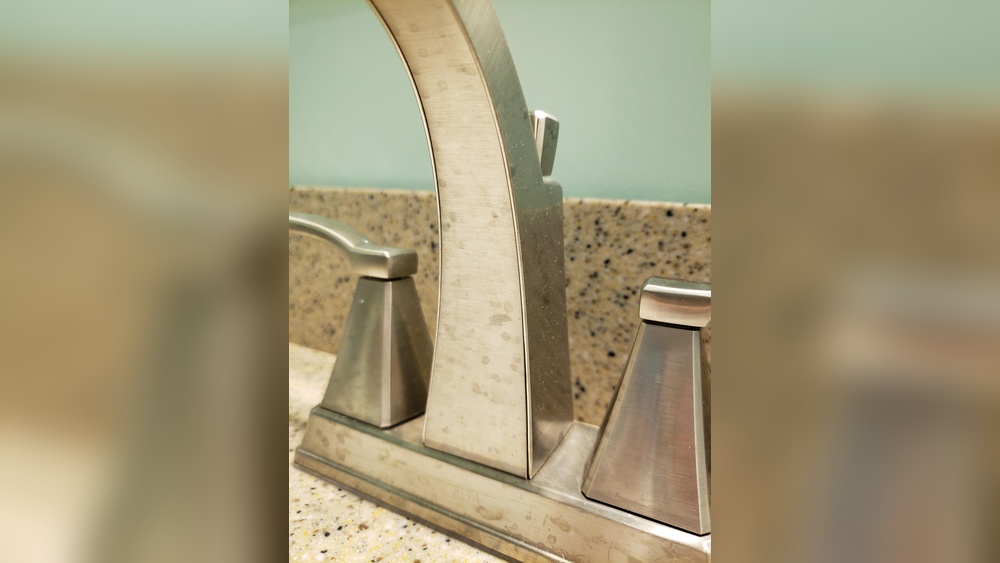
Nickel faucets add a touch of elegance and modern style to kitchens and bathrooms. Their soft metallic finish complements many interior designs, making them a popular choice for homeowners and designers. However, keeping these faucets looking shiny and new is not always easy. Water spots, fingerprints, and even mild tarnish can make them lose their luster over time. Many people think polishing nickel faucets is difficult, but with the right methods, it’s a task anyone can handle at home.
This guide explains how to polish nickel faucets for a brilliant, long-lasting shine. You’ll learn what makes nickel unique, which cleaning products are safe, and which tools to use (and avoid). You’ll get step-by-step instructions, tips for tricky problems, and expert advice on what beginners often miss. By the end, you’ll be able to restore your nickel faucets and keep them looking beautiful for years.
Understanding Nickel Faucets
Before you start polishing, it’s important to understand what nickel faucets are and why they need special care. Many faucets on the market are made from solid brass and then coated with a layer of nickel. The most popular type is brushed nickel, known for its soft, matte look, but you may also see polished nickel, which has a mirror-like finish.
Nickel is more delicate than chrome or stainless steel. It can scratch or tarnish if you use harsh chemicals or rough cleaning tools. The finish is usually protected by a thin lacquer layer, but this coating can wear away with time or the wrong cleaning methods. When the finish is damaged, the faucet may develop dark spots or lose its shine.
One thing that surprises many people: even water can damage nickel if left to dry on the surface. Hard water leaves behind minerals that create dull spots. That’s why regular gentle cleaning and proper polishing are so important.
What You Need: Tools And Supplies
Polishing nickel faucets does not require expensive products. In fact, using harsh cleaners can do more harm than good. Here’s what you’ll need for safe and effective polishing:
- Soft microfiber cloths (at least two)
- Mild dish soap (preferably unscented)
- Warm water
- White vinegar (for tough spots)
- Baking soda (optional, for stains)
- Cotton swabs (for crevices)
- A toothbrush with soft bristles
- Nickel-safe polish (optional, for high-shine finishes)
Do not use abrasive sponges, steel wool, or any cleaner with bleach or ammonia. These can scratch and discolor nickel. Always check the faucet manufacturer’s cleaning recommendations if available.

Credit: www.reddit.com
Preparing The Faucet For Polishing
Before polishing, you need to remove any dirt, soap scum, or water spots. Skipping this step means you’ll just rub grime around, which can scratch the finish.
- Turn off the water at the faucet to prevent accidental splashes.
- Dampen a soft microfiber cloth with warm water.
- Add a drop of mild dish soap and gently wipe all surfaces of the faucet.
- Use a soft toothbrush to clean around the base and handle edges where grime collects.
- Rinse with another clean, damp cloth to remove soap residue.
- Dry the faucet completely with a dry microfiber cloth.
If you see tough water spots or mineral deposits, dip a cloth in a mix of equal parts white vinegar and water. Press it on the spots for a few minutes, then wipe away. Do not let vinegar sit on the faucet for more than 5 minutes—it can damage the finish if left too long.
Step-by-step: How To Polish Nickel Faucets
Now that your faucet is clean, you can restore its shine. The steps are different depending on whether you have brushed or polished nickel.
Polishing Brushed Nickel
Brushed nickel has a matte, textured finish. It’s less reflective but shows fingerprints and water spots more easily.
- Take a clean, dry microfiber cloth.
- Apply a small amount of water or a nickel-safe polish (check the label—never use silver polish).
- Gently rub the faucet, following the direction of the grain (the lines in the metal). This prevents streaks.
- For stubborn spots, dab a paste of baking soda and water. Rub very gently, then rinse well.
- Buff with a dry cloth until you see a soft shine.
Polishing Polished Nickel
Polished nickel is glossy and mirror-like. It’s more sensitive to scratches but can look stunning when clean.
- Use a new, clean microfiber cloth.
- If needed, apply a few drops of water or a product labeled safe for polished nickel.
- Rub in small, circular motions. Avoid pressing hard.
- For any buildup, use a cotton swab dipped in water to reach corners and seams.
- Wipe with a dry cloth to remove any streaks.
If you want a higher shine, you can apply a tiny amount of baby oil or mineral oil to a cloth and buff the faucet. This also helps prevent water spots for a few days.
Comparing Nickel To Other Faucet Finishes
Understanding how nickel compares to other finishes can help you see why it needs special treatment.
| Finish Type | Durability | Scratch Resistance | Ease of Polishing |
|---|---|---|---|
| Brushed Nickel | Moderate | Low | Easy (gentle methods) |
| Polished Nickel | Low-Moderate | Very Low | Needs care |
| Chrome | High | High | Easy |
| Stainless Steel | Very High | High | Easy |
As you can see, nickel finishes are less durable and scratch-resistant compared to chrome or stainless steel. That’s why gentle cleaning and polishing are so important.
Common Problems: Spots, Tarnish, And Streaks
Sometimes, even after polishing, you might notice streaks, spots, or tarnish on your nickel faucet. Here’s how to handle these issues:
Water Spots
- Cause: Minerals left after water dries.
- Solution: Wipe with a vinegar-water solution, rinse, and dry immediately.
- Tip: Always dry the faucet after use to prevent spots.
Tarnish Or Discoloration
- Cause: Natural oxidation or harsh chemicals.
- Solution: Make a paste with baking soda and water. Gently rub, rinse well, and buff dry.
- Tip: Avoid letting toothpaste, mouthwash, or cleaners sit on the faucet.
Streaks After Polishing
- Cause: Using too much product or not buffing enough.
- Solution: Use a clean, dry cloth to buff in circular motions until streaks disappear.
Cloudy Appearance
- Cause: Soap or cleaner residue.
- Solution: Rinse with clean water and dry thoroughly.
Many beginners miss the importance of drying. Leaving water on the faucet always leads to spots and cloudy patches.
Safe Cleaning Solutions: What Works, What To Avoid
Not all cleaning products are safe for nickel. Some chemicals can ruin the finish in a single use. Here’s a quick guide:
| Product | Safe for Nickel? | Notes |
|---|---|---|
| Mild dish soap | Yes | Best for regular cleaning |
| White vinegar (diluted) | Yes (short use) | Do not leave on surface |
| Baking soda | Yes (gentle) | Spot treatment only |
| Bleach | No | Damages finish |
| Ammonia | No | Causes tarnish |
| Commercial metal polish | Check label | Only if marked “nickel safe” |
Always read labels, and when in doubt, test a new product on a hidden spot.
Polishing Nickel Faucets: Maintenance Schedule
How often should you polish your nickel faucets? The answer depends on usage and water quality, but this schedule works well for most homes:
- Daily: Wipe with a dry microfiber cloth after use to remove water.
- Weekly: Clean with mild soap and water, dry thoroughly.
- Monthly: Polish gently with a nickel-safe polish or a water/baking soda mix.
- As needed: Treat spots, streaks, or tarnish right away.
Don’t wait until the faucet looks dirty. Regular care prevents most common problems.
Mistakes To Avoid When Polishing Nickel Faucets
Many people unknowingly damage their faucets by making these mistakes:
- Using abrasive pads or powders. Even a kitchen sponge can scratch nickel.
- Leaving water or cleaner on the surface. Always dry the faucet.
- Using vinegar or lemon juice full-strength. Always dilute, and rinse quickly.
- Applying too much pressure. Polishing should be gentle.
- Ignoring the manufacturer’s guide. Some faucets have special coatings.
Another thing beginners miss: never use waxes meant for cars or wood. These can make the faucet sticky or attract more dirt.
Restoring Very Dull Or Damaged Nickel Faucets
If your faucet has lost its shine completely, or has obvious scratches, full restoration may be necessary. Here’s what to try:
- Start with a deep clean using soap and water.
- Use a baking soda paste to gently rub trouble spots.
- If the finish is still dull, look for a nickel restoration kit at a hardware store. These kits include special polish and sealer.
- For very deep scratches or pitting, professional refinishing may be needed. This involves re-plating the faucet with nickel. It’s expensive, but can save an antique or designer piece.
Never try to sand or buff nickel faucets with power tools. This usually removes the finish entirely.
Keeping Nickel Faucets Shiny: Prevention And Care
Once your faucet is polished, you want to keep it that way. Here are smart habits that help:
- Wipe dry after every use. This prevents water spots.
- Install a water softener if you have hard water. This reduces mineral deposits.
- Avoid touching the faucet with dirty or oily hands. Fingerprints can build up quickly.
- Teach family members not to use harsh cleaners or scrubbers.
For extra protection, some people apply a very light layer of mineral oil once a month. This creates a barrier that resists water and fingerprints. Just make sure to buff off any excess—oil should not be visible.
Real-world Example: Polishing A Nickel Faucet In A Busy Kitchen
Let’s look at a practical example. Imagine a family uses their kitchen faucet dozens of times a day. After a few weeks, the faucet looks dull and has water spots near the base.
- The owner turns off the water and wipes away crumbs and splashes.
- She makes a cleaning solution with warm water and a drop of dish soap.
- Using a soft cloth, she wipes the entire faucet, then uses a toothbrush for the base.
- After rinsing, she dries the faucet with a microfiber cloth.
- She notices stubborn spots, so she applies a mix of vinegar and water, waits three minutes, then wipes clean.
- For a final polish, she buffs the faucet with a new cloth and a drop of mineral oil.
- The faucet looks shiny and new, and she reminds her family to dry it after each use.
This routine, done weekly, keeps the faucet looking good and prevents major problems.

Credit: www.houzz.com
Polishing Nickel Faucets: Myths And Facts
There are some common myths about nickel faucets. Let’s clear them up:
- Myth: Nickel faucets can handle any cleaner.
- Fact: Many common cleaners (like bleach) will destroy the finish.
- Myth: You need expensive polish.
- Fact: For regular care, water and a soft cloth are enough.
- Myth: Brushed nickel never shows spots.
- Fact: It shows fewer fingerprints, but water spots still appear if not dried.
Understanding these facts helps you care for your faucets without wasting money or risking damage.
When To Call A Professional
Most polishing and cleaning can be done at home, but sometimes you should call an expert:
- If the faucet has deep scratches or black spots that won’t clean up.
- If the finish is peeling or flaking.
- For antique or high-value faucets, professional restoration is safest.
Professionals can re-plate nickel, apply protective coatings, or replace damaged parts. This is rarely needed for newer faucets but can save valuable vintage pieces.
For more on the chemistry behind nickel finishes and their care, see this Wikipedia page on nickel electroplating.

Credit: www.reddit.com
Frequently Asked Questions
How Often Should I Polish My Nickel Faucet?
It’s best to wipe your faucet dry every day and polish it gently once a month. If you notice water spots or dullness, polish more often. Regular care prevents buildup and keeps the faucet looking bright.
Can I Use Lemon Juice Or Vinegar To Clean Nickel?
You can use a mix of vinegar and water (equal parts) for tough spots, but never use lemon juice or undiluted vinegar. Acidic cleaners can damage the nickel finish if left on too long.
What Should I Do If My Faucet Turns Black Or Green?
Black spots often mean tarnish, while green areas can be mineral or copper buildup. Clean with baking soda paste and water. If the color does not improve, the finish may be damaged and need professional help.
Is It Safe To Use Wax Or Car Polish On Nickel Faucets?
No, avoid waxes or car polishes. They can build up and cause dullness or stickiness. Only use products labeled “nickel safe,” or stick with water and a microfiber cloth.
How Can I Tell If My Faucet Is Real Nickel Or Just A Nickel Look-alike?
Real nickel feels cool and heavy, with a subtle gold or gray tone (not blue like chrome). If you’re not sure, check the manufacturer’s website or ask a plumber. Some cheaper faucets are just painted to look like nickel.
Polishing nickel faucets is simple once you know the right steps. With regular, gentle care, your fixtures will stay shiny and elegant for years—making your kitchen or bathroom look its best every day.