
What Is An Outdoor Faucet Called
If you have ever watered your garden, washed your car in the driveway, or filled a bucket outside your house, you have probably used an outdoor faucet. But what exactly is an outdoor faucet called? This might sound simple, but when you visit a hardware store or ask a plumber, you may hear different words like spigot, hose bib, sillcock, or even garden tap. Each term has a specific meaning, and the differences matter if you want the right part or need to repair your plumbing.
Let’s dive deep into what an outdoor faucet is called, why the terminology changes, what types exist, and how to choose, use, and maintain them. Whether you are a homeowner, a renter, or just curious, this guide will give you a complete understanding of outdoor faucets.
Common Names For An Outdoor Faucet
There is not just one name for an outdoor faucet. The term you use can depend on your country, region, or even the task you’re doing. Here are the most widely used names:
Spigot
Spigot is a common word in the United States for a simple outdoor faucet. It usually refers to any device that controls the flow of water. In some places, people use “spigot” for both indoor and outdoor taps, but it is most often used for the outdoor version.
Hose Bib
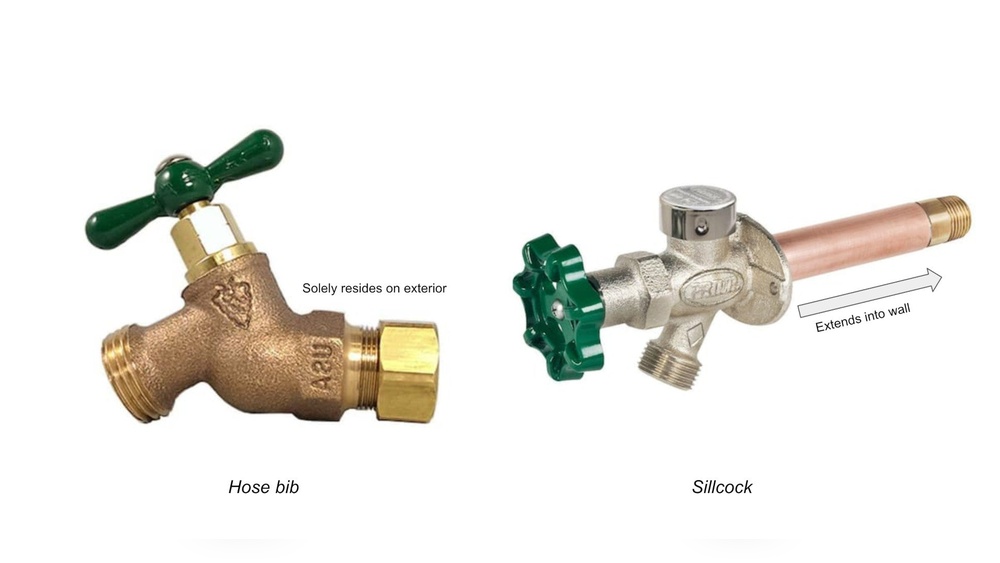
The term hose bib is popular among plumbers and in hardware stores. It describes the faucet you attach your garden hose to. A hose bib usually has a threaded spout where you can screw on a hose.
Sillcock
A sillcock is a special type of outdoor faucet. It is installed through the wall of your house, usually just above the foundation (or sill). Sillcocks often have a long pipe, which helps prevent freezing in cold weather by keeping the shut-off valve inside the warmer part of your home.
Garden Tap
In the United Kingdom and many other countries, people use the term garden tap instead of “spigot” or “hose bib.” It means the same thing: a faucet installed outside for watering plants, washing, or filling buckets.
Bibcock
Bibcock is another word similar to “hose bib.” It is more common in technical manuals and older plumbing guides. A bibcock is a faucet with a bent-down spout, perfect for attaching a hose.
Tap
Many English-speaking countries simply use tap for any faucet, indoors or outdoors. In the context of gardens or yards, “tap” usually means the outdoor water supply point.
Frost-free Faucet
A frost-free faucet is a special outdoor faucet designed to prevent freezing. It is sometimes called a “frost-proof sillcock.” These are common in colder climates.
Yard Hydrant
A yard hydrant is usually found on farms or large properties. It is a free-standing water source installed away from buildings. Yard hydrants are often used to provide water to livestock or for irrigation.
Wall Hydrant
A wall hydrant is similar to a sillcock but is specifically designed for commercial buildings or apartments. It is mounted on the wall and can be locked for security.
Utility Faucet
A utility faucet is a more general term. Sometimes, it refers to an outdoor faucet that is not used for a hose, but for filling buckets or cleaning tools.
As you can see, the outdoor faucet goes by many names. Next, let’s look at why these names matter and how to identify which one you have or need.
Why The Different Names Matter
At first, the many names for an outdoor faucet may seem confusing, but they exist for good reasons. Each term describes a slightly different design, use, or feature. Choosing the right name can help you:
- Find the correct replacement parts at a store
- Understand installation instructions
- Communicate clearly with plumbers or contractors
- Prevent costly mistakes (like installing the wrong faucet for your climate)
For example, asking for a “frost-free sillcock” instead of just a “spigot” tells the hardware store you need a faucet designed for cold weather. Using the right term saves time and avoids confusion.
How An Outdoor Faucet Works
Outdoor faucets are simple but clever devices. They are designed to control the flow of water from your home’s plumbing to the outdoors. Let’s break down the main parts and see how they work together.
Main Parts Of An Outdoor Faucet
- Handle – Turns the water on and off.
- Valve stem – Connects the handle to the internal mechanism.
- Washer or cartridge – Seals the valve, stopping water flow when closed.
- Body – The main metal piece that connects to the house plumbing.
- Spout – The part where water comes out.
- Threaded end – Allows you to attach a hose or nozzle.
How Water Flow Is Controlled
When you turn the handle, the valve opens or closes. If the valve is open, water flows from your home’s pipes, through the faucet, and out the spout. When closed, the washer or cartridge presses tight, stopping the water.
Anti-freeze Design
In cold climates, outdoor faucets must prevent water from freezing inside, which can burst pipes. Frost-free faucets or sillcocks are designed with a long pipe, so the shut-off valve stays inside the house where it’s warm. This design protects your plumbing during winter.
Types Of Outdoor Faucets
Let’s look at the most common types of outdoor faucets, their designs, and when to use each one.
Standard Spigot Or Hose Bib
This is the classic outdoor faucet found on most homes. It has a short pipe, a handle on top, and threads for attaching a hose. It’s easy to use but not frost-proof, so it’s best for mild climates.
Frost-free Sillcock
A frost-free sillcock is the best choice for cold areas. It looks similar to a regular hose bib, but the valve is set deep inside the house wall. When you shut it off, water drains out, so nothing is left inside to freeze.
Yard Hydrant
A yard hydrant stands alone, often several feet from any building. It has a long handle and a pipe that goes into the ground. Yard hydrants are common on farms and large properties.
Anti-siphon Faucet
An anti-siphon faucet has a built-in device to stop dirty water from flowing back into your home’s plumbing. This is important for safety, especially if you use hoses with sprayers or chemicals.
Wall Hydrant
Wall hydrants are heavy-duty outdoor faucets used in apartments, schools, or commercial buildings. They often have security features, like locks or removable handles.
Mixing Faucet
A mixing faucet has two handles, one for hot and one for cold water. They are less common outdoors but are sometimes used in workshops or garages for washing with warm water.
Self-closing Faucet
A self-closing faucet turns off automatically when you let go of the handle. These are common in public parks to save water.
Push-fit Or Quick-connect Tap
These taps allow you to quickly attach and detach hoses without screwing them on. They are popular in Europe and with gardeners who want fast hose changes.

Credit: swanhose.com
Table: Outdoor Faucet Types Comparison
To help you see the differences, here is a comparison of common outdoor faucet types:
| Faucet Type | Main Use | Freeze Protection | Hose Attachment |
|---|---|---|---|
| Standard Hose Bib | General outdoor use | No | Threaded |
| Frost-Free Sillcock | Cold climates | Yes | Threaded |
| Yard Hydrant | Farms, large yards | Yes | Threaded/Free flow |
| Anti-Siphon Faucet | Safety required | No | Threaded |
| Wall Hydrant | Commercial buildings | Yes/No | Threaded |
Materials Used In Outdoor Faucets
The material of your outdoor faucet matters for durability, price, and performance. Here are the most common materials:
Brass
Brass is strong, long-lasting, and resists corrosion. It’s the most popular choice for outdoor faucets. Brass can handle rough use and changing weather.
Stainless Steel
Stainless steel is also tough and does not rust. It is sometimes used for more expensive or specialty faucets.
Plastic
Some cheaper garden taps or quick-connect taps use plastic. Plastic is light and does not rust, but it can crack in cold weather and may not last as long.
Zinc
Zinc is sometimes used for budget faucets. It’s less durable than brass or steel and can corrode over time.
Table: Outdoor Faucet Materials Comparison
Here’s a quick look at how these materials compare:
| Material | Durability | Corrosion Resistance | Cost |
|---|---|---|---|
| Brass | High | Excellent | Medium-High |
| Stainless Steel | Very High | Excellent | High |
| Plastic | Low | Good | Low |
| Zinc | Medium | Fair | Low-Medium |
How To Choose The Right Outdoor Faucet
Selecting the best outdoor faucet for your needs is important. Here are key factors to consider:
1. Climate
If you live in a place with freezing winters, a frost-free sillcock is a smart choice. For warmer areas, a standard hose bib may be enough.
2. Purpose
Think about how you will use the faucet. For simple watering, a regular spigot works. For farming or large gardens, a yard hydrant gives better reach.
3. Hose Attachment
If you want to connect hoses easily, look for threaded spouts or quick-connect taps.
4. Security
For public spaces or rental units, consider a wall hydrant with a lock.
5. Material
Choose brass or stainless steel for long life, especially if you use the faucet often.
6. Anti-siphon Feature
If there’s a risk of dirty water going back into your home pipes, pick a faucet with an anti-siphon valve.

Credit: www.1tomplumber.com
Table: Choosing An Outdoor Faucet Based On Needs
| Need | Recommended Type | Key Feature |
|---|---|---|
| Cold Climate | Frost-Free Sillcock | Freeze Protection |
| Large Property | Yard Hydrant | Long Reach |
| Safety | Anti-Siphon Faucet | Backflow Prevention |
| Quick Hose Changes | Quick-Connect Tap | Easy Attachment |
| High Security | Wall Hydrant | Lockable Handle |
Installation Basics
Installing an outdoor faucet is a project many homeowners can tackle, but it requires care. Here are the main steps:
- Turn off the water supply – Always start by shutting off the main water.
- Drill a hole (if installing a new faucet) – The hole should be slightly larger than the pipe.
- Install the faucet – Thread the faucet into the pipe or fitting. Use plumber’s tape to prevent leaks.
- Secure the faucet – Attach it firmly to the wall or post.
- Turn on the water – Check for leaks and test the faucet.
- Insulate if needed – In cold climates, add insulation or covers for extra freeze protection.
A common mistake is not sloping the pipe slightly downward, which allows water to drain out when the faucet is off. This prevents freezing.
Maintenance Tips For Outdoor Faucets
Outdoor faucets are tough but still need care. Here’s how to make them last longer:
- Check for leaks often, especially in spring.
- Replace washers or cartridges if the faucet drips.
- Detach hoses before winter to prevent trapped water from freezing.
- Cover faucets with insulated covers in cold weather.
- Clean threads to ensure hoses screw on easily.
A non-obvious tip: turning the handle too hard can damage the valve. Tighten until the water stops, but don’t force it.
Common Problems And How To Fix Them
Even the best outdoor faucets can develop issues. Here are some of the most common, with solutions:
Leaks At The Handle
This is often caused by a worn washer or O-ring. Turn off the water, remove the handle, and replace the washer.
Faucet Drips When Off
A dripping outdoor faucet wastes water and money. Usually, the internal washer or valve is worn. Replace the washer to fix it.
Freeze Damage
If water freezes inside, the pipe can crack. If you see water spraying from the wall or ground, you may need to replace the faucet and repair the pipe.
Low Water Pressure
Debris inside the faucet or pipe can block flow. Remove the spout and clean out any dirt.
Hose Won’t Fit
Threads can wear out or get damaged. You can replace the spout or use a thread adapter.
Outdoor Faucet Safety And Water Quality
Outdoor faucets can be a source of contamination if not installed correctly. Here are safety points:
- Anti-siphon valves stop dirty water from going backward into your home’s clean water.
- Never leave hoses submerged in buckets, pools, or ponds when the faucet is on, as this can pull dirty water back.
- Use lead-free brass faucets for drinking water.
According to the Environmental Protection Agency (EPA), lead in drinking water can be a concern, so always check that your outdoor faucet is certified lead-free if you use it for pets, filling pools, or drinking.
Outdoor Faucets Around The World
Outdoor faucets might look a bit different in other countries. For example:
- In the UK, the term “garden tap” is used, and quick-connect fittings are very popular.
- In Australia, outdoor taps often have a unique shape and require specific hose connectors.
- In rural areas worldwide, yard hydrants are common for livestock and irrigation.
Knowing the local term helps when buying parts or asking for repairs.

Credit: meticulousplumbing.com
Interesting Facts About Outdoor Faucets
- The first frost-free sillcock was patented in the early 1900s to solve freezing problems in cold U.S. states.
- Outdoor faucets are now designed for water conservation. Some have flow restrictors to reduce waste.
- Advanced models include smart outdoor faucets that can be turned on or off with a smartphone.
Environmental Impact
Outdoor faucets, if used carelessly, can waste thousands of gallons of water each year. A single dripping tap can waste over 2,000 gallons annually. Using a hose nozzle or shut-off timer can save both water and money.
For more about water conservation, you can visit the EPA’s WaterSense program.
Frequently Asked Questions
What Is The Difference Between A Hose Bib And A Sillcock?
A hose bib is a standard outdoor faucet for attaching hoses. A sillcock is a type of hose bib installed through the wall, often with freeze protection. Sillcocks are better for cold climates because the shut-off valve is inside the house.
How Do I Prevent My Outdoor Faucet From Freezing?
To prevent freezing, use a frost-free faucet and always disconnect hoses before winter. You can also use insulated covers. Make sure the faucet is installed with a slight downward slope to let water drain out when off.
Can I Use Any Outdoor Faucet For Drinking Water?
Not all outdoor faucets are safe for drinking water. Use lead-free brass faucets and anti-siphon valves. Check for certification if you plan to use the faucet for drinking, filling pools, or pets.
How Often Should I Replace My Outdoor Faucet?
With proper care, a brass outdoor faucet can last 15–20 years or more. Replace it if it leaks, cracks, or becomes hard to operate. Regular maintenance can extend its life.
What Do I Do If My Outdoor Faucet Is Leaking?
If your outdoor faucet leaks, turn off the water, remove the handle, and check the washer or O-ring. Replacing these small parts often fixes the problem. If the faucet is badly corroded or damaged, it may be time for a new one.
Outdoor faucets may seem simple, but choosing the right one and understanding the terms can save time, water, and money. Whether you call it a spigot, hose bib, sillcock, or garden tap, now you know exactly what they are, how they work, and how to keep them in top shape for years to come.