
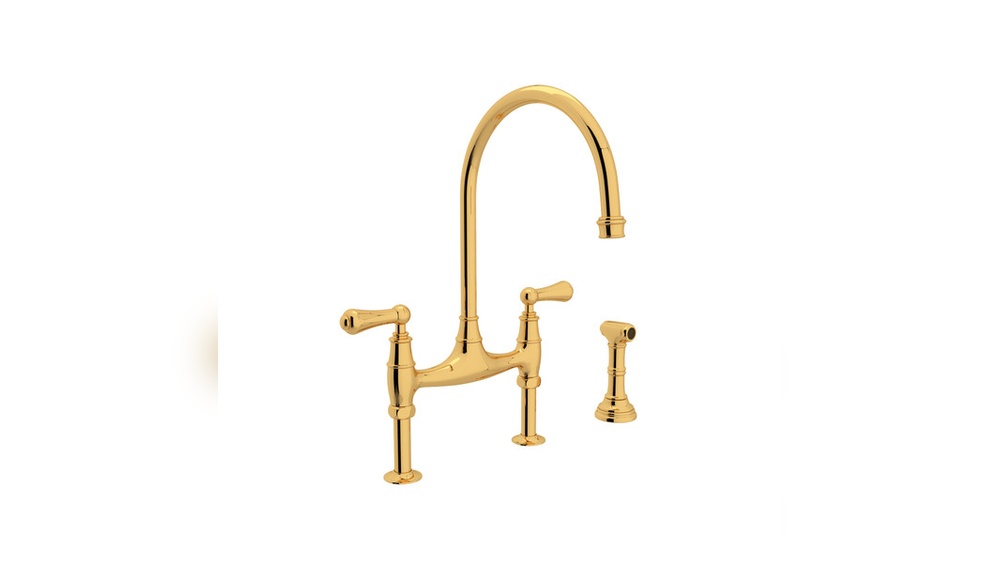
A bridge faucet is more than just a tool for water; it is a statement piece in kitchens and bathrooms. If you have ever admired the elegant look of old-world plumbing in a modern home or wondered why some faucets look more “connected” than others, you’ve probably seen a bridge faucet. But what exactly makes a bridge faucet different? Why do some homeowners and designers prefer it over more common faucet types? And does it actually offer practical benefits, or is it all about style?
Understanding the design, function, and history of bridge faucets can help you make better decisions for your space. This article will explore all aspects of bridge faucets, from how they work to their pros and cons, installation, materials, and even maintenance tips.
By the end, you’ll know if a bridge faucet is right for your kitchen or bathroom—and how to choose and care for one if it is.
What Is A Bridge Faucet?
A bridge faucet is a type of faucet where the hot and cold water lines meet above the countertop or sink, connected by a horizontal “bridge.” This bridge is visible and serves as both a design detail and a functional part of the faucet. The water from the hot and cold handles travels up through the two separate stems, meets in the middle bridge, and then flows out through the spout.
Unlike single-hole faucets, which mix water under the sink, bridge faucets keep the mixing process visible above the countertop. This creates a classic, often vintage look, and allows for more dramatic designs.
Key Features Of A Bridge Faucet
- Two Separate Handles: One for hot and one for cold, usually set apart.
- Exposed Bridge: The pipe or “bridge” connecting the handles is visible.
- Deck-Mounted or Wall-Mounted: Most bridge faucets mount on the countertop (deck), but some are wall-mounted.
- Higher Clearance: The spout usually sits higher, giving more room under the faucet.
- Distinctive Style: Often features curves, ornate details, or vintage finishes.
History And Evolution Of Bridge Faucets
Bridge faucets date back to the late 19th and early 20th centuries. At that time, indoor plumbing was becoming common, but technology for mixing hot and cold water was still new. The bridge design was a practical way to combine two water supplies into one spout, making washing easier and more comfortable.
Why They Became Popular
- Mixing Water: Older plumbing systems had separate taps for hot and cold. Bridge faucets allowed water to mix before reaching the user.
- Durability: Early bridge faucets used solid brass or copper, making them long-lasting.
- Easy Repairs: The design made it simple to access and fix leaks or replace parts.
As plumbing technology advanced, single-handle and under-counter mixing valves took over. However, the visual appeal of bridge faucets remained. Today, many designers and homeowners choose them for their timeless look and the sense of history they bring to modern kitchens and bathrooms.
How A Bridge Faucet Works
The basic working principle is simple: hot and cold water lines connect to two separate valves (handles). When you turn the handles, water flows up the stems, mixes in the bridge section, and exits through the spout.
Here’s a step-by-step view:
- Hot and Cold Lines: Water enters the faucet through two separate supply lines.
- Handles/Valves: Turning each handle controls the flow of hot or cold water.
- Bridge Connection: The water travels up through each side, meets in the central bridge, and blends.
- Spout: The mixed water flows out the spout.
This setup gives more precise control over water temperature and flow. It also makes the faucet a visible part of your sink’s design, rather than something hidden under the counter.
Bridge Faucet Diagram
Here’s a simple layout of how a bridge faucet works:
| Component | Function |
|---|---|
| Left Handle (Hot) | Controls hot water flow |
| Right Handle (Cold) | Controls cold water flow |
| Bridge Section | Mixes hot and cold water |
| Spout | Delivers mixed water |
Bridge Faucet Vs. Other Faucet Types
Choosing a faucet can be confusing. There are single-hole, widespread, wall-mounted, and more. Here is how a bridge faucet compares to other common types:
| Faucet Type | Main Features | Style | Installation |
|---|---|---|---|
| Bridge Faucet | Two handles, visible bridge, separate hot/cold mixing | Classic, vintage, traditional | Requires two or three holes |
| Single-Hole Faucet | One handle, mixes water under counter | Modern, minimal | One hole |
| Widespread Faucet | Two handles, separate spout, no bridge | Versatile, modern or classic | Three holes |
| Wall-Mounted Faucet | Handles and spout mounted on wall | Modern, clean | Special plumbing needed |
Why Choose A Bridge Faucet?
- Unique Appearance: The exposed bridge creates a vintage or farmhouse feel.
- Easy to Clean: Fewer crevices than some widespread faucets.
- Higher Clearance: More space under the spout for washing pots or filling containers.
Where Are Bridge Faucets Used?
Bridge faucets are mostly seen in kitchens and sometimes in bathrooms with classic or luxury designs. They work well in:
- Farmhouse kitchens: The vintage look matches rustic sinks and wooden countertops.
- Luxury kitchens: High-quality finishes and bold designs stand out.
- Classic bathrooms: Adds elegance to pedestal or marble sinks.
- Laundry rooms: The high spout and easy control are practical for washing.
Some people also use bridge faucets outdoors, especially in garden or potting sinks. However, outdoor use requires weather-resistant materials.
Materials And Finishes
The material of a bridge faucet affects both its look and its durability. Most bridge faucets are made from:
- Solid Brass: Most common, very durable, resists corrosion.
- Stainless Steel: Modern look, resists rust, easy to clean.
- Bronze: Warm color, often with “oil-rubbed” finishes, traditional style.
- Copper: Unique reddish tone, develops patina over time.
- Zinc Alloy: Less expensive, not as durable as brass or steel.
Popular Finishes
- Polished Chrome: Bright, mirror-like, easy to clean.
- Brushed Nickel: Softer, hides fingerprints, modern.
- Oil-Rubbed Bronze: Dark, antique look.
- Polished Brass: Shiny, gold-like, classic.
- Matte Black: Bold, trendy, fits modern or industrial spaces.
Comparison Of Common Bridge Faucet Materials
| Material | Durability | Maintenance | Cost |
|---|---|---|---|
| Brass | Excellent | Low | High |
| Stainless Steel | Very Good | Low | Medium |
| Bronze | Good | Medium | High |
| Zinc Alloy | Fair | Medium | Low |
Advantages Of A Bridge Faucet
Many homeowners choose bridge faucets for more than just looks. Here are some practical benefits:
- Easy Temperature Control: Two separate handles allow precise mixing.
- High Spout Clearance: Perfect for filling large pots or washing big pans.
- Timeless Style: Fits both traditional and modern spaces.
- Sturdy Build: Most bridge faucets use heavier, higher-quality materials.
- Customizable: Many brands offer a range of finishes, handle shapes, and spout heights.
- Visual Focus: Can act as a centerpiece in your kitchen or bathroom.
Two Non-obvious Insights
- Better for Deep Sinks: The high arc and reach of many bridge faucets pair well with deep farmhouse or apron sinks. This makes cleaning and filling easier than with low-profile faucets.
- Repair-Friendly: Because the mixing happens above the counter, it is sometimes easier to spot leaks or replace washers without crawling under the sink.
Disadvantages Of A Bridge Faucet
Of course, bridge faucets are not perfect for every situation. Consider these drawbacks:
- More Expensive: Quality bridge faucets often cost more than standard models.
- Complex Installation: Requires precise hole placement in sink or countertop; not all sinks are compatible.
- More Cleaning: The exposed bridge and handles can collect dust and water spots.
- Space Needed: The design takes up more room than a single-hole faucet.
- Limited Modern Styles: Most bridge faucets are classic or vintage in style—fewer ultra-modern options.
Beginner Insight: Water Efficiency
Some older bridge faucets use more water than modern models. If you want to save water, choose a faucet with an aerator or WaterSense certification.

Credit: satoridesignforliving.com
How To Choose The Right Bridge Faucet
Selecting a bridge faucet means balancing style, function, and budget. Here are the most important factors to consider:
1. Sink Compatibility
- Check the number and spacing of holes in your sink or countertop. Most bridge faucets need two or three holes, spaced 8 inches apart.
- If your sink only has one hole, a bridge faucet will not fit without extra drilling.
2. Mounting Type
- Deck-Mounted: Most common; the faucet sits on the countertop or sink.
- Wall-Mounted: Saves counter space, but needs plumbing in the wall.
3. Spout Height And Reach
- Measure how much clearance you need under the spout.
- Check if the spout will reach the center of your sink for best use.
4. Handle Style
- Choose from cross handles, lever handles, or even porcelain or crystal details.
- Make sure the handles are easy to grip and turn.
5. Finish And Material
- Match the finish to other fixtures in your kitchen or bathroom.
- Brass and stainless steel last longer; bronze and copper offer unique style.
6. Brand And Warranty
- Choose a reputable brand with good reviews.
- Look for a warranty—some brands offer lifetime coverage.
Common Buyer Mistakes
- Ignoring Sink Holes: Buying a bridge faucet for a sink with the wrong number or spacing of holes.
- Overlooking Height: Choosing a spout that is too high or too low for your tasks.
- Mismatch Finish: Buying a faucet finish that clashes with other hardware.
Installation Process
Installing a bridge faucet is more complex than installing a single-hole faucet. If you are handy, you may do it yourself, but many people hire a plumber.
Basic Steps
- Check Sink Holes: Confirm your sink has the right number and spacing of holes.
- Shut Off Water: Always turn off water supply before starting.
- Install Faucet Body: Place the faucet body through the holes, making sure the bridge sits flat.
- Connect Water Lines: Attach hot and cold supply lines to the faucet.
- Secure Underneath: Tighten nuts or mounting hardware under the sink.
- Test for Leaks: Turn on water and check all connections.
Practical Tips
- Use plumber’s tape on threaded connections to avoid leaks.
- If you are not sure about plumbing, call a professional. Mistakes can lead to water damage.
- For wall-mounted bridge faucets, make sure pipes are set at the right height and spacing inside the wall before finishing the wall surface.
Maintenance And Cleaning
Bridge faucets are built to last, but they do require care to keep looking and working their best.
Cleaning Tips
- Wipe Daily: Use a soft cloth to remove water spots and fingerprints.
- Avoid Abrasive Cleaners: Stick to mild soap and water; harsh chemicals can damage the finish.
- Polish Regularly: For polished finishes, a gentle polish can keep metal shiny.
- Clean Aerator: Unscrew and clean the aerator (at the spout tip) every few months to prevent clogs.
Preventing And Fixing Common Problems
- Leaks: Often caused by worn washers or O-rings. These are easy to replace.
- Loose Handles: Tighten the set screw under the handle if handles wobble.
- Mineral Buildup: Soak aerator or spout tip in vinegar to dissolve hard water deposits.
Top Bridge Faucet Brands
Some brands are known for quality bridge faucets. Here are a few:
- Kohler: Offers both traditional and transitional styles.
- Delta Faucet: Known for reliable, easy-to-install products.
- Waterstone: Luxury finishes and custom options.
- Rohl: Classic European-inspired designs.
- Kingston Brass: Wide range of finishes and handle choices.
Each brand offers unique features, so compare warranties, material quality, and style options before choosing.

Credit: watermarkfixtures.com
Bridge Faucet Trends In 2024
Bridge faucets are becoming more popular in both renovations and new homes. Some current trends include:
- Matte black and gold finishes: Bold, modern looks.
- Industrial styles: Exposed pipes and rough textures.
- Eco-friendly features: Aerators and low-flow options.
- Custom handles: Porcelain, crystal, or colored handles for a personal touch.
Many homeowners mix old and new by pairing a classic bridge faucet with modern cabinets or lighting.
When To Avoid A Bridge Faucet
Bridge faucets are not perfect for every situation. Consider alternatives if:
- You have limited counter space: The wide design may not fit.
- You want the most modern look: Single-hole or touchless faucets fit better.
- Budget is tight: Bridge faucets can cost more, especially in quality materials.
- Your sink has only one hole: Installing a bridge faucet would require extra work.
Real-world Example: Bridge Faucet In A Farmhouse Kitchen
Imagine a kitchen with a deep, white apron-front sink and wooden countertops. A polished nickel bridge faucet stands over the sink, its high arc perfect for washing vegetables and pots. The cross handles feel solid, and the bridge design adds a touch of old-world charm.
The faucet is easy to clean, and the water flow is smooth and steady. This is why many homeowners choose a bridge faucet—it blends style and function in a way few other faucets can.
Sustainability And Water Use
Modern bridge faucets can be just as eco-friendly as other types, if you choose the right model. Look for:
- Low-flow aerators: Reduce water use without losing pressure.
- Lead-free construction: Safer for drinking and cooking.
- Recyclable materials: Brass and stainless steel are often recyclable.
If you care about water conservation, always check the product specifications before buying.

Credit: whitehauscollection.com
Cost Range And What To Expect
Prices for bridge faucets vary widely. Here’s what you can expect:
- Entry Level ($150–$300): Basic designs, zinc or lower-quality brass, fewer finish options.
- Mid-Range ($300–$700): Solid brass, more finish choices, better warranties.
- High-End ($700+): Designer brands, custom finishes, luxury materials, lifetime warranties.
Remember, installation may add $100–$300 if you hire a plumber.
Inspiration: Bridge Faucet Styles
Some popular styles include:
- Victorian: Ornate details, cross handles, polished or antique finishes.
- Farmhouse: Simple curves, matte or brushed finishes, classic spouts.
- Industrial: Exposed pipes, matte black or stainless steel, lever handles.
- Transitional: Mix of modern and traditional, smooth lines, neutral finishes.
Photos and design ideas can be found on sites like Houzz.
Frequently Asked Questions
What Is The Main Difference Between A Bridge Faucet And A Regular Faucet?
A bridge faucet has two handles connected by a visible bridge above the sink, where hot and cold water mix before reaching the spout. Regular faucets (like single-hole types) mix water under the countertop and usually have only one handle.
Can A Bridge Faucet Be Used With Any Sink?
Not always. Bridge faucets need two or three holes in the sink or countertop, usually spaced 8 inches apart. Some sinks only have one hole or holes spaced differently, so check before buying.
Are Bridge Faucets More Expensive Than Other Faucets?
Generally, yes. They often use more materials and have more complex designs. Prices range from $150 for basic models to over $1,000 for luxury brands.
How Do I Keep A Bridge Faucet Clean?
Wipe it daily with a soft cloth and mild soap. Avoid harsh cleaners that can scratch the finish. Regularly clean the aerator and polish the surface to keep it shiny.
Do Bridge Faucets Waste More Water?
Not if you choose a modern model with a low-flow aerator or WaterSense certification. Older or vintage models may use more water, so always check specifications.
A bridge faucet can be the perfect mix of beauty and function. If you choose the right one for your space and care for it well, it can last for decades and become a centerpiece in your home. For more details on faucet types and history, you can visit the Wikipedia page on faucets.