
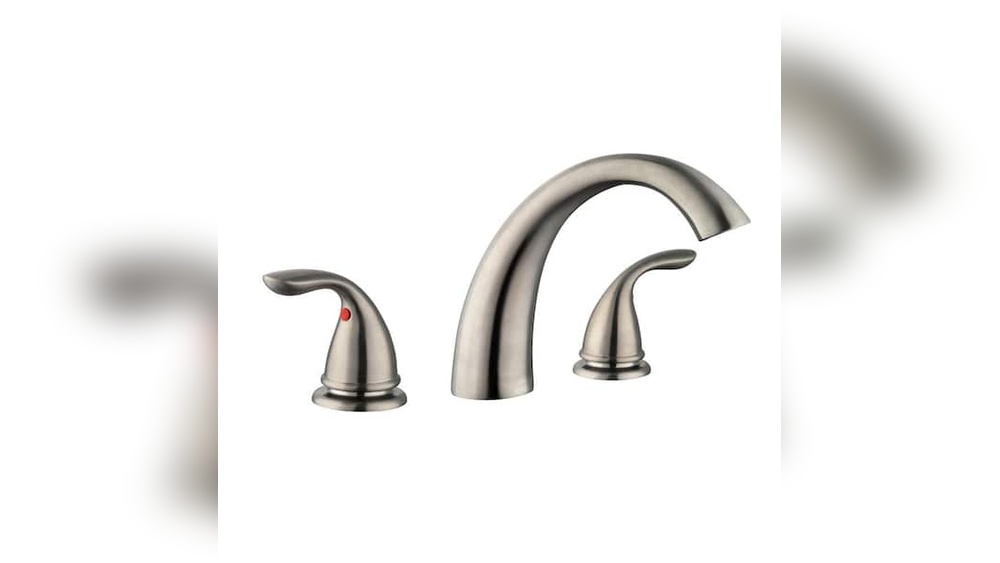
Roman tub faucets might not be the first thing you notice when you walk into a bathroom, but they can transform the look and feel of your space. These unique fixtures combine style, function, and a bit of history. If you’re renovating a bathroom, building a new home, or just want to upgrade your bathing experience, understanding Roman tub faucets is essential. Let’s explore what makes them special, how they differ from other types, and why they might be the right choice for your bath.
What Is A Roman Tub Faucet?
A Roman tub faucet is a type of bathtub faucet designed to be mounted on the rim or deck of a tub, rather than on the wall. The name comes from ancient Roman baths, where water fixtures were often mounted around the edge of large baths. These faucets typically have two handles—one for hot and one for cold water—and a separate spout. Many modern designs also include options for a hand shower.
Roman tub faucets are popular in luxury bathrooms and are often chosen for their elegant appearance and practical benefits. They deliver a high flow rate, making it easy to fill large tubs quickly. This is important in master suites or spa-like bathrooms, where soaking tubs are common.
Key Features Of Roman Tub Faucets
Roman tub faucets have several unique features that set them apart:
- Deck-Mounted Design: These faucets are installed on the flat surface (deck) surrounding the bathtub, not on the wall.
- Separate Handles and Spout: Most models have distinct hot and cold handles, with a standalone spout. Some include a third handle for a hand shower.
- High Flow Rate: Because they are built to fill large tubs, Roman tub faucets often provide 10–20 gallons per minute (gpm), much higher than standard bathroom faucets.
- Customizable Placement: Installers can position the faucet and handles as desired, allowing for flexible design choices.
These features make Roman tub faucets both practical and visually appealing, especially for freestanding or drop-in tubs.
How Roman Tub Faucets Differ From Other Faucets
It’s easy to confuse Roman tub faucets with other types, but there are important differences.
Vs. Wall-mounted Tub Faucets
Wall-mounted faucets attach directly to the wall above the tub. They are common in smaller bathrooms or where the tub is against the wall. Roman tub faucets, in contrast, need a wide, flat surface for installation and are more often seen with drop-in or platform tubs.
Vs. Garden Tub Faucets
The terms “garden tub faucet” and “Roman tub faucet” are often used interchangeably, but technically, Roman tub faucets are more about style and installation method, while garden tub faucets are made specifically for large, deep tubs.
Vs. Regular Sink Faucets
Roman tub faucets are much bigger, deliver more water per minute, and are not designed for sinks. Sink faucets simply cannot fill a large tub quickly enough.
Comparison Table: Roman Tub Faucets Vs. Other Common Types
| Feature | Roman Tub Faucet | Wall-Mounted Tub Faucet | Sink Faucet |
|---|---|---|---|
| Mounting Location | On tub deck/rim | On wall above tub | On sink basin |
| Flow Rate | 10–20 gpm | 6–10 gpm | 1.2–1.5 gpm |
| Installation Complexity | Moderate to High | Moderate | Low |
| Typical Use | Large or luxury tubs | Standard bathtubs | Sinks only |
Common Styles And Finishes
You’ll find Roman tub faucets in a wide range of styles, from classic to ultra-modern. Here are some popular options:
- Traditional: Ornate handles, curved spouts, and vintage details.
- Contemporary: Clean lines, minimalistic design, and straight spouts.
- Transitional: A mix of traditional and modern elements.
Finishes are important for both appearance and durability. Some common finishes include:
- Polished chrome: Bright, shiny, and easy to clean.
- Brushed nickel: Soft, matte look that hides fingerprints.
- Oil-rubbed bronze: Dark, antique look for classic bathrooms.
- Matte black: Modern, bold, and trendy.
Non-obvious insight: Brushed and matte finishes often show water spots less than shiny chrome, which is helpful in hard water areas.
How To Choose The Right Roman Tub Faucet
Picking the right Roman tub faucet involves more than just choosing a style. Here’s what matters most:
1. Tub Compatibility
Make sure your tub has a wide enough deck or rim to support the faucet. Most Roman tub faucets need at least 8 inches between handle holes, but some need more. Check your tub’s specifications before purchasing.
2. Number Of Holes
Roman tub faucets usually need three or four holes: one for each handle, one for the spout, and sometimes one for a hand shower. Measure existing holes if you’re replacing an old faucet, or plan the layout if it’s a new tub.
3. Flow Rate
Faster isn’t always better. While high flow rates fill the tub quickly, your home’s plumbing must support the required water pressure and volume. If your pipes are too small or old, you might not get the performance you expect.
4. Valve Type
The valve controls water flow and mixing. Look for solid brass or ceramic disc valves—they last longer and leak less than cheaper options.
5. Finish And Style
Choose a finish that matches other bathroom fixtures. Some finishes are more durable and easier to maintain. For example, brushed nickel is less likely to show fingerprints than polished chrome.
6. Hand Shower Option
Many Roman tub faucets include a hand shower, which is useful for rinsing hair, cleaning the tub, or bathing children and pets. However, this adds complexity to installation.
7. Brand Reputation And Warranty
Not all brands are equal. Look for models from reputable manufacturers that offer good warranties. This can save money and headaches if something goes wrong.
Common Mistakes When Choosing
- Ignoring the number and spacing of holes (can lead to major installation problems).
- Overlooking water pressure requirements.
- Picking style over function (a pretty faucet that doesn’t fit your tub is useless).
- Forgetting about ease of cleaning; intricate designs may collect grime.
Installation: What To Expect
Installing a Roman tub faucet is more complicated than installing a sink faucet. Here’s what the process involves:
- Planning: Measure your tub deck and mark the locations for the spout and handles. Make sure there is enough room underneath for plumbing connections.
- Drilling Holes: If your tub doesn’t already have holes, you’ll need to drill them carefully. This step is not reversible, so accuracy is vital.
- Mounting the Faucet: Insert the spout and handles into the holes and secure them from underneath. This often requires access to the underside of the tub, which can be difficult in some installations.
- Connecting Water Supply: Attach the hot and cold water lines to the appropriate valves. For models with a hand shower, connect the diverter hose as well.
- Testing for Leaks: Turn on the water supply and check all connections for leaks. Tighten as needed.
- Sealing and Finishing: Apply silicone sealant around the base of the faucet to prevent water from getting under the rim.
Non-obvious insight: If you have a whirlpool or jetted tub, extra care is needed not to damage plumbing or electrical components during installation.
Table: Diy Vs. Professional Installation
Here’s a quick look at the pros and cons of installing a Roman tub faucet yourself vs. hiring a professional.
| Aspect | DIY | Professional |
|---|---|---|
| Cost | Lower (just materials) | Higher (labor fees) |
| Difficulty | Moderate to high | Low |
| Time Required | Several hours | 1–2 hours |
| Risk of Mistakes | Higher | Lower |
| Warranty Impact | Sometimes voided | Usually protected |
Benefits Of Roman Tub Faucets
Roman tub faucets offer several advantages over other types.
Fast Filling
Because of their high flow rate, Roman tub faucets can fill even large soaking tubs quickly. This means less waiting, especially if you have a deep or oversized tub.
Style Statement
These faucets are often chosen as a design centerpiece. The variety of styles and finishes makes it easy to match any bathroom décor, from old-world luxury to modern minimalism.
Flexible Placement
Since they are mounted on the tub deck, you can position the spout and handles exactly where you want. This is especially useful for custom tubs or unique bathroom layouts.
Enhanced Bathing Experience
Optional hand showers add convenience for rinsing, cleaning, and personal care. The ability to control water temperature and flow with separate handles is also a plus.
Durability
Most Roman tub faucets are made from solid brass or stainless steel, making them highly durable. Good-quality models can last for decades with proper care.
Drawbacks And Considerations
No product is perfect. Here are some things to consider before choosing a Roman tub faucet.
Installation Complexity
Installing these faucets is more challenging than standard faucets. The process often requires access beneath the tub and precise drilling.
Cost
Roman tub faucets are usually more expensive than wall-mounted or basic tub fillers. You’ll also pay more for installation if you hire a professional.
Space Needed
Not every bathtub can accommodate a deck-mounted faucet. Make sure your tub has a wide enough rim and the right number of holes.
Maintenance
While most finishes are easy to clean, models with intricate designs or multiple components may collect soap scum or hard water deposits.
Risk Of Leaks
If not installed correctly, leaks can damage the tub deck or floor below. Regular checks and proper installation are important.
Popular Brands And Models
Some of the leading manufacturers of Roman tub faucets include:
- Moen
- Delta
- Kohler
- Pfister
- Grohe
- American Standard
Each brand offers a variety of models, so there’s something for every taste and budget. For example, the Moen Eva collection is known for its sleek curves, while Delta’s Trinsic line offers a modern look.
Cost Breakdown
Prices for Roman tub faucets vary widely based on material, finish, and extra features like hand showers.
- Entry-level models: $150–$250
- Mid-range: $250–$500
- High-end designer models: $500–$1,200+
Installation costs add another $150–$600, depending on the complexity and your location.

Credit: www.homedepot.com
Care And Maintenance Tips
To keep your Roman tub faucet looking and working its best:
- Wipe down regularly with a soft, damp cloth.
- Avoid abrasive cleaners, which can damage the finish.
- For tough water spots, use a vinegar-water solution.
- Check for leaks or drips every few months.
- If you have hard water, consider installing a water softener to prevent mineral buildup.
Pro tip: Always keep the warranty information and installation manual. Some leaks or performance issues can be fixed under warranty, saving you money.
Roman Tub Faucets And Water Conservation
While Roman tub faucets deliver water quickly, they can use a lot of water. A deep soaking tub may require 50–80 gallons per bath. If water conservation is important to you, look for models with flow restrictors or aerators.
Some modern Roman tub faucets meet WaterSense standards, using less water without sacrificing performance. Check product details before you buy.

Credit: www.deltafaucet.com
When To Choose A Roman Tub Faucet
Roman tub faucets are ideal for:
- Large, freestanding, or drop-in tubs with a wide deck.
- Master bathrooms or luxury suites.
- Homeowners who want a statement piece in the bathroom.
- Those who value fast tub-filling and flexible handle placement.
They are not suitable for:
- Small tubs or tubs with narrow rims.
- Bathrooms where the tub is installed directly against a wall.
- Homeowners who want the simplest, least expensive option.
Roman Tub Faucet Trends In 2024
Home design trends change over time, and Roman tub faucets are no exception. In 2024, several trends are noticeable:
- Matte black and brushed gold finishes are popular for a modern, upscale look.
- Minimalist designs with straight lines and simple handles are trending.
- Touchless controls and digital thermostatic mixers are appearing in high-end models, offering precise control and a high-tech experience.
- Eco-friendly features like flow restrictors and lead-free brass are more in demand.
Real-world Example: Upgrading A Master Bath
Consider this scenario: A homeowner with a large drop-in tub wants to upgrade their outdated faucet. They choose a brushed nickel Roman tub faucet with a hand shower, matching the rest of their bathroom fixtures. The new faucet fills the tub 40% faster than the old one and adds a luxurious feel to the space.
A common mistake they avoided: They measured the tub deck and confirmed the number of holes before buying, preventing costly installation surprises.
Frequently Asked Questions
What Is The Main Difference Between A Roman Tub Faucet And A Regular Tub Faucet?
A Roman tub faucet is mounted on the rim or deck of the tub and typically has separate hot and cold handles with a higher flow rate. Regular tub faucets are often wall-mounted and may not fill large tubs as quickly.
Do Roman Tub Faucets Require Special Plumbing?
Yes, Roman tub faucets usually need special valves and connections because of their high flow rate and unique mounting requirements. It’s important to check your existing plumbing before installation.
Can I Install A Roman Tub Faucet Myself?
You can, but it’s more complicated than installing a sink faucet. You’ll need to drill precise holes and connect plumbing under the tub. If you’re not comfortable with this, hiring a professional is a good idea.
Are Roman Tub Faucets More Expensive Than Other Types?
Generally, yes. Roman tub faucets cost more due to their size, materials, and installation complexity. However, they also add significant style and function to your bathroom.

Credit: www.rbrohant.com
Where Can I Find More Technical Details About Roman Tub Faucets?
For in-depth technical information and standards, visit Wikipedia’s faucet page.
Roman tub faucets bring both beauty and function to your bathroom. They offer fast filling, flexible design options, and a touch of luxury that’s hard to match. If you have the right tub and want a standout feature, a Roman tub faucet is worth considering.
With the right information, you can choose the best model for your needs and enjoy relaxing baths for years to come.