
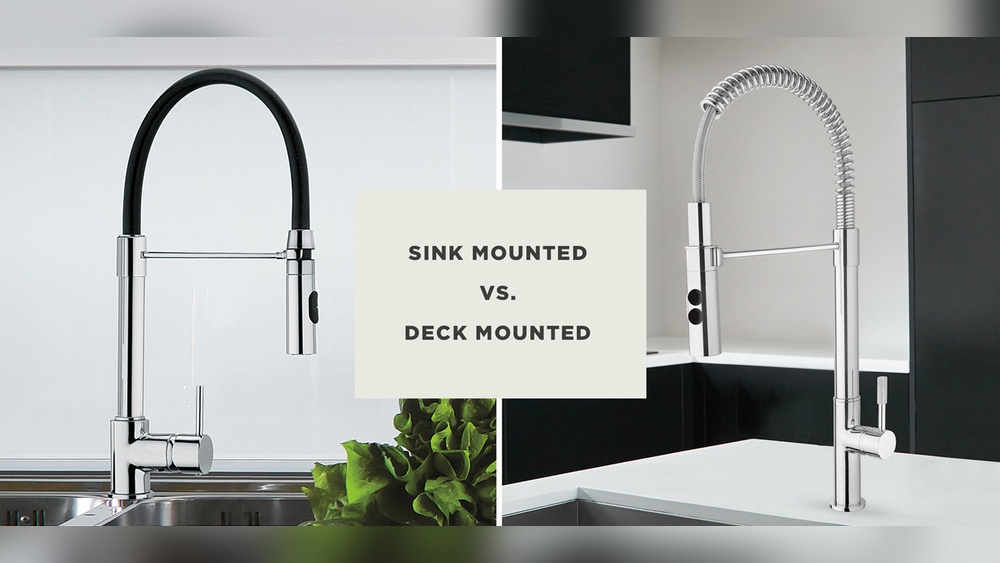
When you plan a new kitchen or bathroom, two words often come up: sink and faucet. Many people think about them together, but they are not the same thing. The sink is the bowl or basin where water collects and drains. The faucet is the device that controls the flow of water into the sink. Understanding the difference between these two, how they work together, and what matters when choosing them can change your home’s comfort and style. If you are remodeling or just replacing one part, knowing the details will help you make better decisions and avoid costly mistakes.
This article takes a deep look at Sink vs Faucet. We’ll compare their roles, materials, designs, installation, costs, maintenance, and more. We’ll also share some insights that most beginners miss and answer common questions. Whether you are a first-time buyer or just want to upgrade, this guide will help you choose wisely.
What Is A Sink?
A sink is a bowl-shaped fixture used for washing hands, dishes, food, and other items. It collects water and directs it to the drain. Sinks are found in kitchens, bathrooms, laundry rooms, and even outdoors. The main parts of a sink include the basin, drain, overflow hole (sometimes), and mounting hardware.
Common Sink Materials
Different materials affect the durability, look, and price of a sink. Here are popular options:
- Stainless steel: Lightweight, easy to clean, and resists stains and rust. Most common in kitchens. Can be noisy.
- Porcelain: Glossy, classic, and often found in bathrooms. Chips and stains can happen over time.
- Ceramic: Similar to porcelain but can be heavier and thicker.
- Granite composite: Strong, scratch-resistant, and comes in many colors. Heavier than steel.
- Acrylic: Lightweight and cheap but less durable. Scratches easily.
- Cast iron with enamel coating: Very durable and heavy. The enamel can chip if hit hard.
- Copper: Antimicrobial, unique patina over time, but requires more care.
Each material has its own pros and cons. For example, stainless steel is practical for busy kitchens, while porcelain offers elegance in bathrooms.
Types Of Sinks
Sinks come in different shapes and mounting styles:
- Top-mount (drop-in): The rim sits on top of the counter. Easy to install and affordable.
- Undermount: Attached under the counter for a seamless look. Harder to install but easier to clean around.
- Farmhouse (apron-front): Large, deep basin with a front panel. Stylish and great for big pots.
- Vessel: Sits fully above the counter. Eye-catching, but sometimes splashy.
- Pedestal: Supported by a column. Saves space in small bathrooms.
- Wall-mounted: Fixed to the wall. Leaves floor space open, good for accessibility.
Main Functions Of A Sink
- Collecting water: For washing or rinsing
- Draining water: To the plumbing system
- Containing mess: Prevents water from spilling everywhere
Some sinks have extra features like sound insulation, built-in cutting boards, or multiple basins.
What Is A Faucet?
A faucet is the device that delivers water into the sink. It controls the flow and temperature, and it’s usually made of metal or plastic. Faucets are sometimes called taps in other countries.
Main Parts Of A Faucet
- Spout: Where water comes out
- Handle(s): To turn water on/off and adjust temperature
- Valve: Controls water flow inside the faucet
- Aerator: Small screen at the spout’s tip that mixes air with water to reduce splashing
- Mounting hardware: Connects faucet to the sink or countertop
Some faucets have extra features, like pull-out sprays, touchless sensors, or water filters.
Types Of Faucets
Faucets come in many styles. Some common types:
- Single-handle: One lever controls both hot and cold water.
- Double-handle: Separate handles for hot and cold.
- Pull-down/pull-out: The spout can be pulled out for washing large pots.
- Touchless: Uses sensors to turn water on/off automatically.
- Wall-mounted: Fixed to the wall, not the sink.
- Bridge: Two handles connected by a horizontal pipe, often vintage style.
Main Functions Of A Faucet
- Delivering water: Into the sink
- Controlling flow: On/off, fast/slow
- Adjusting temperature: Mixes hot and cold water
Some advanced faucets can even measure water, filter it, or change spray patterns.

Credit: riverbendhome.com
Key Differences Between Sink And Faucet
Though often bought together, the sink and faucet serve very different purposes.
| Feature | Sink | Faucet |
|---|---|---|
| Main Function | Collects and drains water | Delivers and controls water flow |
| Material | Stainless steel, porcelain, granite, etc. | Brass, stainless steel, plastic, etc. |
| Installation | Mounted on/under countertop or wall | Mounted on sink, countertop, or wall |
| Replacement Frequency | Rarely (10–20 years) | More often (5–10 years) |
| Maintenance | Mostly cleaning, occasional repairs | Cleaning, cartridge replacement, leak fixes |
Non-obvious Insight 1
Many people assume the sink and faucet are always sold together. In reality, they are usually bought separately, and not all combinations fit. You must check that the number of mounting holes in the sink matches the faucet type you choose.
Non-obvious Insight 2
The faucet’s reach and height must match the sink’s depth and width. A tall, arched faucet can cause splashing in a shallow sink, while a short faucet may not reach far enough in a big basin.
How Sinks And Faucets Work Together
When you use a sink, you are really using a system: faucet + sink + drain. The faucet brings water in, the sink contains it, and the drain removes it.
The right combination improves both function and style:
- Deep sinks with high-arc faucets make washing big pots easy.
- Shallow sinks work best with low, short faucets to prevent splashing.
- Vessel sinks usually need taller faucets or wall-mount types.
If you mismatch, you might end up with leaks, splashes, or awkward use.
Choosing The Right Sink
The best sink depends on your space, needs, and budget. Here’s what to think about before you buy.
1. Size And Depth
Measure your countertop and cabinet size. Kitchen sinks are usually 22\” x 30\” or larger. Bathroom sinks are smaller. Deeper sinks (8–10 inches) hold more water and reduce splashing, but may be harder to reach for children.
2. Material
- Stainless steel is practical and affordable.
- Porcelain and ceramic give a classic look but can chip.
- Granite composite is very tough but pricier.
- For heavy use, avoid acrylic or thin metals.
3. Number Of Basins
- Single basin: More space for big items.
- Double basin: Good for multitasking (washing and rinsing).
- Triple basin: Rare, but useful for serious cooks.
4. Mounting Style
- Undermount sinks are easier to keep clean.
- Drop-in sinks are simpler to install.
- Farmhouse styles are trendy but require custom cabinets.
5. Extra Features
Some sinks come with:
- Sound insulation
- Built-in accessories (cutting boards, drain trays)
- Special finishes to resist stains
Common Mistake
People often buy a sink too big for their cabinet. Always measure before ordering.
Choosing The Right Faucet
A faucet is not just a water pipe. The right faucet can save water, simplify cleaning, and improve your space’s look.
1. Mounting Type
Check your sink or counter:
- Single-hole: Needs a single-handle faucet.
- Three-hole: For double-handle or widespread faucets.
- Wall-mount: Needs plumbing in the wall.
2. Handle Type
- Single-handle: Easier to adjust with one hand.
- Double-handle: More control, often more stylish.
- Touchless: Hygienic, great for kitchens.
3. Spout Height And Reach
- High-arc: More space for washing big items.
- Short: Less splash in small sinks.
4. Valve Quality
Ceramic disc valves last longer and leak less. Avoid cheap rubber washers.
5. Finish
Faucets come in chrome, brushed nickel, bronze, matte black, and more. Choose one that resists fingerprints and fits your decor.
6. Water Efficiency
Look for models with WaterSense certification. They can save up to 20% water without losing pressure.
Common Mistake
Choosing a stylish faucet that does not fit your sink’s hole pattern. Always check specs before buying.
Sink Vs Faucet: Cost Comparison
Let’s compare the costs:
| Item | Low Range | Mid Range | High End |
|---|---|---|---|
| Kitchen Sink | $80 | $300 | $1,000+ |
| Kitchen Faucet | $40 | $150 | $800+ |
| Bathroom Sink | $50 | $150 | $500+ |
| Bathroom Faucet | $30 | $80 | $400+ |
| Installation (Pro) | $100 | $200 | $500+ |
Sinks are usually more expensive than faucets, especially for high-end materials. Faucets can be cheap or very fancy, depending on features.
Installation: Sink Vs Faucet
Both sinks and faucets can be installed by handy homeowners, but there are challenges.
Sink Installation
- Heavier sinks (like cast iron) may need cabinet reinforcement.
- Undermount sinks require precise countertop cutting and strong support.
- Drop-in sinks are simpler but may leak if not sealed well.
- Farmhouse and vessel sinks need special cabinets.
Faucet Installation
- Most faucets fit into pre-drilled holes in the sink or counter.
- Wall-mounted faucets need plumbing inside the wall.
- Touchless faucets require batteries or a power supply.
Common Installation Errors
- Not using enough sealant, causing leaks.
- Mismatching faucet holes and sink holes.
- Over-tightening connections, leading to cracks.
Maintenance And Lifespan
Sinks can last 10–20 years or longer if well cared for. Scratches, stains, and chips are the main problems. Clean regularly with non-abrasive cleaners.
Faucets may need repairs every 5–10 years, especially cartridges or seals. Hard water can clog aerators. Fix drips quickly to avoid wasting water.
A big mistake: Ignoring small leaks. Over time, these can damage cabinets, floors, and even cause mold.
Style And Design: Matching Sinks And Faucets
Getting the look right matters. Here are some popular combinations:
- Stainless steel sink + chrome faucet: Modern, easy to match.
- White porcelain sink + brushed nickel faucet: Classic and clean.
- Granite sink + matte black faucet: Trendy, bold look.
- Vessel sink + tall faucet: Artistic, spa-like.
Try to match or coordinate finishes (chrome with chrome, black with black). Mixing styles can work but needs a designer’s eye.
Credit: vevano.com
Advanced Features: What’s New?
Today’s sinks and faucets offer smart features:
- Touchless faucets: Great for hygiene, especially in kitchens.
- Built-in water filters: Clean drinking water at the tap.
- LED temperature lights: Show water temp with colored lights.
- Integrated soap dispensers: Built into the sink area.
- Sound-deadening sinks: Quieter when washing pots and pans.
Some advanced features cost more, but can be worth it for busy families.
Environmental Impact
Both sinks and faucets affect water use:
- Efficient faucets can cut water use by up to 30%.
- Low-flow aerators save water and money.
- Recycled materials (like stainless steel or glass sinks) are greener.
- Old, leaky faucets can waste thousands of gallons per year.
If you care about the environment, look for WaterSense and eco-friendly products.
How To Decide: Sink, Faucet, Or Both?
If you must choose, decide what matters most:
- Old or damaged sink: Replace the sink (and maybe faucet).
- Dripping or ugly faucet: A new faucet may be enough.
- Remodeling: Upgrade both for the best results.
Upgrading just a faucet can refresh a space for under $100. But if your sink is stained, cracked, or too small, replacing both makes sense.
Real-world Examples
- Busy family kitchen: Stainless steel double basin sink + pull-down faucet. Easy to clean, flexible for big pots.
- Small bathroom: Pedestal sink + single-handle faucet. Saves space and looks tidy.
- Trendy loft: Matte black vessel sink + tall faucet. Modern and eye-catching.
What Most People Overlook
- Water pressure: Some faucets need a minimum pressure to work right. Check your home’s pressure before buying fancy models.
- Cabinet space: Deep sinks take up space under the counter, which can interfere with garbage disposals or storage.
- Finish durability: Not all finishes hold up to cleaning chemicals—chrome is tough, matte black can show wear.
Sink Vs Faucet: Quick Comparison
Here’s a final side-by-side look:
| Aspect | Sink | Faucet |
|---|---|---|
| Purpose | Holds and drains water | Delivers and controls water |
| Material Variety | Very wide (steel, stone, glass, etc.) | Mostly metals or plastics |
| Design Impact | Major (sets the look) | Medium (adds style) |
| Install Complexity | Harder (especially heavy types) | Usually easier |
| Replacement Cost | Higher | Lower |
| Lifespan | 10–20 years | 5–10 years |

Credit: www.leftonhome.com
Frequently Asked Questions
What Is The Main Difference Between A Sink And A Faucet?
A sink is the basin that holds water for washing, while a faucet is the device that brings water into the sink and lets you control its flow and temperature. They work together, but they are separate products.
Can I Replace A Faucet Without Changing The Sink?
Yes, you can usually replace just the faucet if your sink is still in good shape. Just make sure the new faucet fits your sink’s mounting holes.
How Do I Know If A Faucet Will Fit My Sink?
Check the number of holes in the sink or countertop (1, 2, or 3). Make sure the faucet you choose matches this pattern. Also, check the spout’s reach and height to match your sink’s size.
Which One Should I Upgrade First: Sink Or Faucet?
If your sink is in good shape but the faucet leaks, upgrade the faucet. If the sink is stained, cracked, or the wrong size, replace the sink (and maybe the faucet at the same time).
Are Expensive Sinks And Faucets Really Worth It?
Higher-priced sinks or faucets often use better materials and have more features, but you don’t need to buy the most expensive models. Look for quality and a good warranty. Sometimes mid-range products offer the best value.
For more technical details and installation guides, you can visit the Wikipedia Sink page.
Choosing the right sink and faucet can change your daily life in small but powerful ways. They are more than just hardware—they shape how you clean, cook, and even how your space looks. Make your choice with confidence, and you’ll enjoy the results for years to come.