
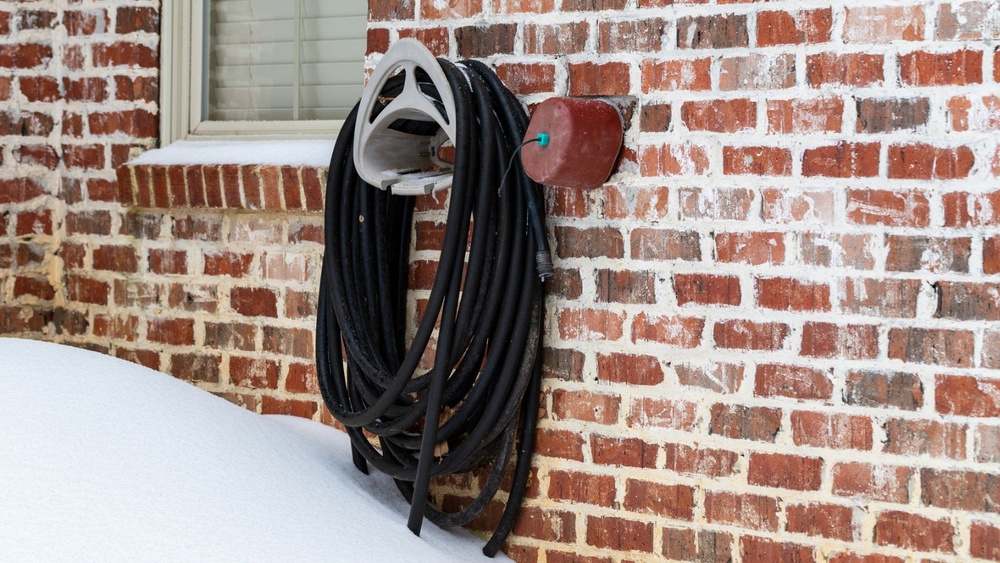
Choosing the right faucet cover may seem like a small detail, but it makes a big difference in protecting your outdoor plumbing. Many people are surprised to learn how much damage an exposed faucet can suffer during cold weather. Even a quick freeze can cause water inside pipes to expand, leading to cracks or bursts that result in costly repairs. For homeowners, renters, or anyone maintaining a garden or outdoor space, understanding the choice between a hard faucet cover and a soft cover is key. Each type has its own strengths, weaknesses, and best-use scenarios. This article takes a close look at both, providing clear comparisons, practical advice, and expert insights to help you make the best decision for your needs.
What Is A Faucet Cover?
A faucet cover is a protective device designed to shield outdoor faucets from cold temperatures, wind, and moisture. Its main job is to prevent water inside the faucet or connected pipes from freezing. Frozen water expands and can crack metal pipes or cause leaks. Faucet covers help avoid these problems by adding insulation and blocking direct contact with cold air.
Most covers are simple to install and remove, making them a popular choice for winter protection. Both hard covers and soft covers have the same goal but use different materials and designs.
Hard Faucet Covers Explained
Design And Materials
Hard faucet covers are usually made from rigid materials like molded plastic or thick foam. The outer shell protects against physical impacts and harsh weather. Inside, you often find foam insulation that traps air and helps keep the temperature around the faucet above freezing.
A typical hard cover looks like a small box or dome that fits over the faucet. Some have a tightening mechanism, like a hook or latch, to hold the cover in place.
Strengths Of Hard Covers
- Strong Physical Protection: The rigid shell protects against bumps, falling branches, hail, or curious animals.
- Good Insulation: Foam inside keeps out cold air and helps retain heat from the house.
- Reusable and Durable: Hard covers can last for many years with minimal wear, even in rough conditions.
- Secure Fit: Many models clamp tightly onto the wall, reducing the risk of wind blowing them away.
Weaknesses Of Hard Covers
- Bulky Shape: Hard covers can be awkward to store when not in use, especially if you have several.
- Limited Flexibility: If your faucet is in a tight spot or close to a wall, a hard cover might not fit well.
- Higher Cost: Generally, hard covers cost more than soft covers, especially for heavy-duty models.
When To Choose A Hard Cover
Hard covers are best for areas with severe winter weather, strong winds, or where the faucet is exposed to possible impacts. They work well on standard hose bibs and outdoor spigots with enough clearance around them.

Credit: www.homesandgardens.com
Soft Faucet Covers Explained
Design And Materials
Soft faucet covers use flexible materials, often a combination of thick fabric and foam insulation. The outer layer is usually waterproof nylon, polyester, or vinyl. Inside is a soft foam pad. Soft covers are shaped like small bags or pouches with a drawstring or Velcro strap to secure them around the faucet.
Strengths Of Soft Covers
- Flexible Fit: Soft covers easily wrap around odd-shaped faucets or fit into tight spaces.
- Easy Storage: They fold flat when not in use, making them simple to store.
- Lower Cost: Most soft covers are affordable, so you can buy several without spending much.
- Quick Installation: You can attach or remove a soft cover in seconds, even in the dark or cold.
Weaknesses Of Soft Covers
- Less Impact Protection: Soft covers do not shield faucets from physical damage.
- Potential for Water Absorption: If the outer layer is damaged, water may soak the insulation, reducing effectiveness.
- Less Durable: Repeated exposure to sun, wind, or animals may wear out soft covers faster than hard ones.
When To Choose A Soft Cover
Soft covers are ideal for mild winters, protected spaces, or when you need to cover multiple faucets quickly. They are also great for complex faucet designs, like ones with attached splitters or timers.
Comparing Hard Faucet Covers And Soft Covers
Choosing between a hard faucet cover and a soft cover depends on several factors. Here’s a side-by-side look at the most important points.
| Feature | Hard Faucet Cover | Soft Faucet Cover |
|---|---|---|
| Material | Plastic shell, foam inside | Waterproof fabric, foam inside |
| Installation | Clamps or hooks, may need adjustment | Drawstring or Velcro, very quick |
| Protection Level | High (cold, impacts, animals) | Moderate (cold, some moisture) |
| Storage | Bulky | Compact |
| Cost | Higher | Lower |
| Durability | Very good | Good, but wears faster |
| Best Use Case | Severe weather, exposed spots | Mild winters, tight spaces |

Credit: coldfrontproducts.com
Key Factors To Consider When Choosing
Climate
One of the most important factors is your local weather conditions. If you live in an area with hard freezes, snow, or strong winds, a hard cover gives the best protection. In warmer climates, a soft cover is usually enough.
Faucet Location
Is your faucet close to the ground, under a deck, or in a busy area? Hard covers need space to fit. Soft covers can squeeze into tight corners or wrap around complex shapes.
Frequency Of Use
If you use your faucet during winter, choose a cover that is easy to remove and put back. Soft covers excel here—they are fast to open and close. Hard covers can be more secure if you do not plan to use the faucet until spring.
Budget
Soft covers are cheaper, but may not last as long. Hard covers cost more upfront, but they can last for many years if stored properly.
Security
Hard covers are harder to remove by accident or by animals. If security is a concern, such as in public spaces or rental properties, a hard cover is a better choice.
Installation And Maintenance
Installing A Hard Faucet Cover
- Turn Off the Faucet: Always shut off the water before covering.
- Drain Remaining Water: Open the faucet to let water drain out.
- Fit the Cover: Place the hard cover over the faucet, making sure it sits flush against the wall.
- Secure the Clamp or Hook: Tighten the latch or hook so the cover cannot move.
- Check the Seal: Run your hand around the edge to feel for gaps.
Installing A Soft Faucet Cover
- Turn Off and Drain: Follow the same steps as above.
- Place the Cover: Slip the pouch over the faucet and any attached parts.
- Tighten the Drawstring or Strap: Make sure the cover fits snugly.
- Check for Gaps: Pull the cover down to ensure it covers all exposed metal.
Maintenance Tips
- Inspect Annually: Check for cracks (hard covers) or tears and soaked spots (soft covers).
- Clean Regularly: Remove dirt or debris that could affect the fit.
- Store Properly: In spring, dry covers fully and store in a cool, dry place.
Common Mistakes To Avoid
- Leaving Faucets Uncovered: Even in mild climates, a sudden freeze can cause damage.
- Using a Damaged Cover: A cracked or soaked cover loses its insulating ability.
- Forgetting to Drain Water: Water left inside can freeze and expand, even with a cover.
- Loose Installation: If wind can move the cover, it won’t protect properly.
- Ignoring Gaps: Small gaps allow cold air in, reducing effectiveness.
Real-world Examples
Case 1: Hard Cover In Northern States
In Minnesota, where winter temperatures often drop below 0°F (-18°C), homeowners using hard faucet covers reported no burst pipes over multiple seasons. Even after hailstorms and heavy snow, the covers stayed in place and showed little wear.
Case 2: Soft Cover In Southern States
In Texas, where freezes are rare but possible, soft covers were enough during a cold snap. Homeowners liked the fast installation and easy storage, especially when they had many outdoor faucets.
Case 3: Rental Properties
A landlord with multiple rental units chose hard covers for all properties in a snowy region. The extra cost was balanced by fewer emergency calls and repairs.
Lifespan And Replacement
Hard Faucet Covers
With proper care, a hard cover can last 5–10 years or more. Sunlight and physical impacts may eventually cause plastic to crack, but these covers are designed for repeated use.
Soft Faucet Covers
Most soft covers last 2–4 years, but exposure to sunlight, animals, or frequent handling can reduce this. Replacing them regularly ensures protection is maintained.
Environmental Impact
Both types of faucet covers have a small environmental footprint compared to the cost and waste of repairing broken pipes. Hard covers are less likely to end up in the trash quickly, but are made from plastics that may not be recyclable in all areas.
Soft covers use less material but may wear out faster. Whenever possible, look for options made from recycled or recyclable materials.
Cost Comparison
While prices vary by brand and region, here’s a typical price range comparison:
| Type | Average Price (USD) | Expected Lifespan |
|---|---|---|
| Hard Faucet Cover | $8–$15 | 5–10 years |
| Soft Faucet Cover | $3–$7 | 2–4 years |
While a hard cover costs more, its longer life means less frequent replacement.
Insights Beginners Often Miss
- Insulation Is Only One Factor: Many people think any cover is enough. But a tight seal and the right material matter just as much as insulation thickness.
- Wind Is a Major Enemy: Wind chill dramatically increases the risk of freezing. Hard covers are much better at blocking wind, which is why they outperform soft covers in open areas.
- Multiple Covers May Be Needed: If you have several outdoor faucets, mixing types can save money—use hard covers on exposed spigots and soft covers in protected spots.
- Don’t Rely on Covers Alone in Extreme Cold: In very cold climates, combine faucet covers with other steps, like shutting off and draining outdoor lines completely.

Credit: www.lowes.com
Practical Tips For Maximum Protection
- Label Covers: If you have many covers, label them by location for easier installation each year.
- Check After Storms: Heavy wind or snow may move covers. Inspect after any major weather event.
- Use with Other Insulation: In very cold areas, add pipe insulation sleeves inside walls for extra safety.
- Choose Bright Colors: Brightly colored covers are easier to see, so you won’t forget to install them.
Innovations In Faucet Covers
Manufacturers continue to improve both hard and soft covers. Some new hard covers use double-layer foam for extra insulation. Others have built-in warning tags or moisture sensors. Soft covers now come with reflective strips for easy spotting at night or improved straps for a tighter seal.
Smart home devices, like temperature sensors, can alert you when outside faucets are at risk of freezing. Using these with a quality cover gives the best protection.
When To Replace Your Faucet Cover
Replace your cover if:
- You see cracks, holes, or missing parts (hard covers)
- The foam feels soaked or the fabric is torn (soft covers)
- The cover no longer fits tightly
- You notice freezing or condensation inside the cover
Regular inspection each fall and spring ensures your investment keeps working.
Combining Hard And Soft Covers
Some homeowners use a layered approach for tough conditions. For example, wrapping a soft cover around the faucet and then placing a hard cover over it. This can boost insulation in extremely cold areas. However, it’s important not to force a cover that’s too tight, as this can create gaps or damage the faucet.
The Bottom Line
Both hard faucet covers and soft covers have clear advantages. The right choice depends on your local climate, faucet location, budget, and how much physical protection you need. Paying attention to details like fit, installation, and material quality will help you avoid expensive plumbing repairs. Even small investments in faucet protection can save hundreds or thousands of dollars in the long run.
If you’re unsure which is right for you, start with a soft cover for mild climates or less-exposed faucets. Choose a hard cover for harsh winters or vulnerable spots. Remember, the best cover is the one that fits well, stays in place, and is checked regularly.
For further details on winterizing your home and outdoor fixtures, you can visit the U.S. Department of Energy.
Frequently Asked Questions
What Happens If I Don’t Use A Faucet Cover In Winter?
Without a cover, outdoor faucets can freeze, leading to burst pipes and water leaks. Repairs are costly and may require digging up your yard or replacing indoor plumbing.
Can I Use A Towel Or Homemade Cover Instead?
While towels or makeshift covers offer some insulation, they rarely fit tightly and can soak up water, making freezing more likely. Commercial covers are designed for a better seal and weather resistance.
How Do I Know If My Faucet Cover Is Working?
Check the inside of the cover for moisture, ice, or signs of freezing. If the cover feels dry and the faucet operates normally after cold nights, it’s doing its job.
Can I Leave The Cover On All Year?
You can, but it’s best to remove covers in spring to prevent moisture buildup and check for any leaks or damage. Clean and store covers until needed again.
Are There Faucet Covers For Special Faucets Or Complex Shapes?
Yes, soft covers are best for odd shapes or faucets with attachments. Some brands make extra-large or specialty covers for these cases.
When you choose the right faucet cover and maintain it well, you protect your home from unexpected winter problems. A little effort in the fall can prevent big headaches when cold weather arrives.