
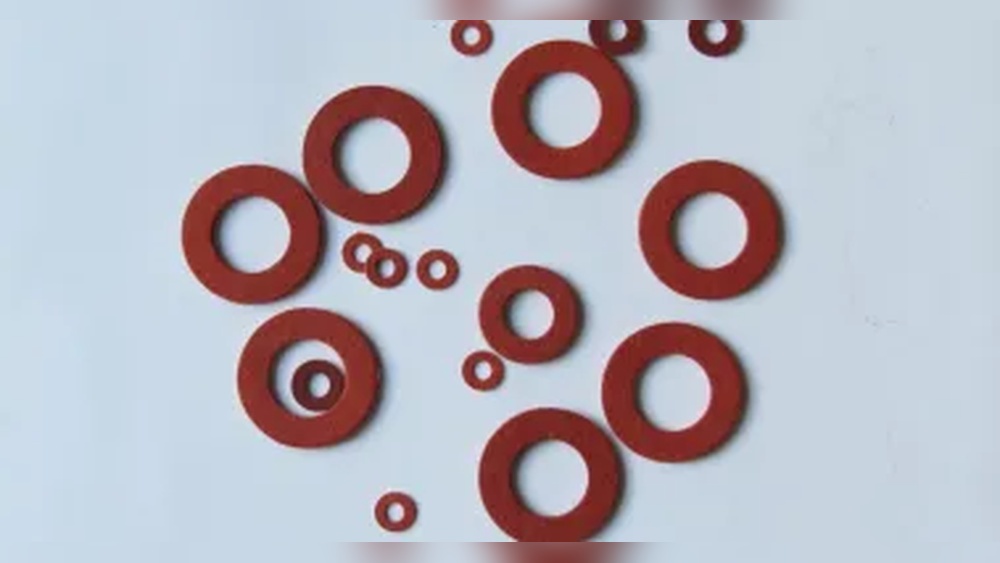
When you turn a faucet and water flows smoothly, it seems simple. But inside, a small part is working hard: the faucet washer. Two common types are flat and beveled washers. They look similar, but their differences matter for how your faucet works, how long it lasts, and even how much water you waste. Many homeowners and even plumbers sometimes choose the wrong type. This can lead to leaks, drips, or even damage over time.
This article breaks down everything you need to know about flat vs beveled faucet washers. You’ll learn how they work, how to tell them apart, and when to use each. If you want to fix a leaky tap, choose the right replacement part, or just understand your plumbing better, you’ll find clear answers here.
What Is A Faucet Washer?
A faucet washer is a small disc, usually made from rubber, silicone, or sometimes neoprene. It sits inside the faucet, pressing against the valve seat to stop water flow when the tap is closed. When you turn the handle, the washer lifts, letting water through. Over time, washers wear out, causing drips or leaks.
Washers are cheap but important. Choosing the right one is key to stopping leaks and avoiding bigger plumbing issues.
The Role Of Washers In Faucets
Washers are found in compression faucets—the classic kind with separate hot and cold handles. They create a seal between moving metal parts, stopping water from seeping through when the tap is off. Without a good washer, even a brand-new faucet can start dripping.
A worn washer is the main reason for leaky faucets. Studies show that a leaking tap can waste up to 3,000 gallons (about 11,355 liters) of water a year—enough to fill a small swimming pool. That’s money down the drain, and it\’s bad for the environment too.
Flat Faucet Washers Explained
Flat washers are simple, round discs with a flat surface on both sides. They are usually made from soft but tough materials like rubber or silicone. Their main job is to sit tightly against the valve seat, creating a seal when the tap is closed.
How Flat Washers Work
When you turn off a faucet, the handle pushes the flat washer down onto the valve seat. The pressure squeezes the washer, blocking water from passing through. Flat washers work best with smooth, flat valve seats. If the seat is rough or uneven, they may not seal perfectly, leading to drips.
Common Materials
- Rubber: Soft, flexible, and cheap. Wears out faster but easy to replace.
- Neoprene: Tougher than regular rubber. Resists heat and chemicals.
- Silicone: Lasts longer and handles high temperatures better.
Where Flat Washers Are Used
Flat washers are common in older homes and standard compression faucets. They work well in simple bathroom or kitchen taps with smooth valve seats. If you have a traditional two-handle faucet, there’s a good chance it uses flat washers.
Pros And Cons
Advantages:
- Easy to find and cheap.
- Simple to install.
- Good for smooth valve seats.
Disadvantages:
- Wear out faster if seat is rough.
- Not as good with uneven surfaces.
- Can harden or crack over time.
Beveled Faucet Washers Explained
Beveled washers look a bit different. One side is flat, but the other is cut at an angle (beveled). This slanted edge helps the washer fit into a wider range of valve seats, even if they’re not perfectly smooth.
How Beveled Washers Work
When you turn off the faucet, the beveled side compresses against the valve seat. The angled edge helps the washer mold itself to small imperfections, making a tighter seal. This is especially helpful if the valve seat is worn or slightly uneven.
Common Materials
- Rubber: The most common. Flexible and forms a good seal.
- Neoprene: More durable and heat-resistant.
Where Beveled Washers Are Used
Beveled washers are used in both old and newer faucets. They are often a better choice if the valve seat is rough, worn, or uneven. Many plumbers use beveled washers when fixing older taps because they can seal better on imperfect surfaces.
Pros And Cons
Advantages:
- Better seal on rough or uneven seats.
- More forgiving if the valve seat is worn.
- Helps stop leaks in tricky faucets.
Disadvantages:
- Slightly more expensive than flat washers.
- Can be harder to find in some stores.
- May not fit all faucet types.
Key Differences: Flat Vs Beveled Faucet Washers
Understanding the main differences will help you choose the right washer for your faucet. Here’s a clear side-by-side look:
| Feature | Flat Washer | Beveled Washer |
|---|---|---|
| Shape | Flat on both sides | One side angled (beveled) |
| Best For | Smooth valve seats | Rough or worn valve seats |
| Seal Quality | Good if seat is perfect | Better on imperfect surfaces |
| Installation | Very simple | Slightly more skill needed |
| Durability | Can wear out faster on rough seats | Lasts longer on uneven seats |
| Cost | Cheaper | Usually a bit more expensive |
How To Identify Flat And Beveled Washers
You don’t need special tools to tell them apart. Here’s how you can quickly spot the difference:
- Look at the edge: Flat washers have straight sides; beveled washers have one slanted side.
- Feel the surface: Flat washers feel the same on both sides. Beveled washers feel angled on one side.
- Check the packaging: Stores often label them as “flat” or “beveled,” but always double-check the shape.
A common mistake is buying a flat washer for a worn valve seat. The result? The drip won’t stop.
When To Use Flat Washers
Flat washers are the right choice if:
- Your faucet’s valve seat is smooth and in good shape.
- You have a standard, older compression faucet.
- You want a quick and low-cost fix.
They are ideal for basic bathroom or kitchen faucets that haven’t had heavy use or damage. If your tap is only a few years old and hasn’t leaked before, a flat washer usually works well.
When To Use Beveled Washers
Beveled washers are best if:
- The valve seat is rough, pitted, or uneven.
- You’ve tried a flat washer and it still leaks.
- The faucet is old or has been repaired many times.
They are good for solving stubborn leaks. If a plumber says the valve seat is “worn,” a beveled washer often does the trick. They can also extend the time before you need a full faucet replacement.
How To Replace A Faucet Washer (step-by-step)
Replacing a faucet washer isn’t hard if you have basic tools and a bit of patience. Here’s how to do it safely:
Tools And Materials Needed
- Adjustable wrench or spanner
- Screwdriver (flathead or Phillips)
- Replacement washer (flat or beveled, as needed)
- Plumber’s grease (optional)
- Towel or rag
Steps
- Turn off the water supply: Look under the sink for the shutoff valve and turn it clockwise.
- Plug the drain: Drop a plug or cloth in the drain so small parts don’t fall in.
- Remove the faucet handle: Use a screwdriver to take off the handle.
- Unscrew the packing nut: Use a wrench to loosen and remove the nut holding the stem.
- Take out the stem: Pull the stem out of the faucet body.
- Remove the old washer: It’s at the bottom of the stem, held by a screw. Unscrew and take out the old washer.
- Clean the seat: Wipe away dirt, old debris, or mineral build-up from the valve seat.
- Install the new washer: Place the new flat or beveled washer in the same spot. Secure with the screw.
- Reassemble the faucet: Put the stem and packing nut back, then the handle.
- Turn on the water and test: Open the shutoff valve and test for leaks.
Extra Tips
- If the valve seat is rough, use a beveled washer or smooth the seat with a valve seat dresser.
- Always use the same washer size. Too big or too small won’t seal.
- Don’t overtighten the screw holding the washer—it can damage the washer.
- If leaks continue, the valve seat may need replacement.
Common Mistakes When Replacing Washers
Many beginners run into the same problems. Here’s how to avoid them:
- Using the wrong washer type: If you use a flat washer on a rough seat, it may still leak. Bevel works better for worn seats.
- Wrong washer size: Washers come in sizes. Take the old one to the store to match.
- Skipping valve seat inspection: Always check the valve seat. If it’s pitted or grooved, a flat washer may not seal.
- Not cleaning the seat: Dirt or mineral deposits can stop the washer from sealing.
- Overtightening parts: Too much force can crack the washer or faucet parts.
How Washer Choice Affects Faucet Life
Your washer choice can make your faucet last longer—or wear out faster.
- Flat washers on smooth seats create a perfect seal, reducing wear. But on rough seats, they can wear out in weeks.
- Beveled washers can handle imperfections, protecting the faucet stem and seat from further damage.
A poor washer fit means more leaks, wasted water, and sometimes even damage to the faucet stem. The right washer can delay costly repairs or replacements for years.
Water Savings And Environmental Impact
A leaky faucet can waste up to 10 liters (about 2.6 gallons) of water per day, according to the U.S. Environmental Protection Agency. That’s over 3,600 liters (950 gallons) a year from just one tap. In areas with water shortages, every drop counts.
Choosing the right washer and fixing leaks quickly is a simple but effective way to save water and lower your utility bill.
How Flat And Beveled Washers Compare In Real-world Use
Let’s look at how these washers perform in actual homes:
| Situation | Flat Washer Performance | Beveled Washer Performance |
|---|---|---|
| New, smooth valve seat | Excellent seal, lasts long | Works, but flat is simpler and cheaper |
| Old, rough valve seat | May leak, wears out quickly | Seals better, lasts longer |
| Hard water area (lots of mineral buildup) | May harden, needs frequent replacement | Better fit, but still needs regular checks |
| High water pressure | Can flatten, lose sealing ability | Angle helps keep seal under pressure |
Real-world Examples
Example 1:
An older kitchen tap started leaking after years of use. The owner replaced the washer with a new flat one, but the drip continued. A plumber noticed the valve seat was rough and switched to a beveled washer. The leak stopped right away.
Example 2:
A homeowner with a new bathroom faucet used a beveled washer out of habit. It worked fine, but a flat washer would have been cheaper and just as effective for the smooth seat.
Non-obvious Insight: Many people replace washers again and again, not realizing that a rough valve seat is the problem. Choosing a beveled washer can solve leaks without expensive repairs.
Another Insight: If a faucet keeps leaking after a new washer, the valve seat may need to be resurfaced or replaced. Washers can only seal if the seat is in reasonable condition.

Credit: marchettiwines.it
Cost Comparison
While both types of washers are inexpensive, here’s a quick look at typical costs in most hardware stores:
| Type | Average Price (Pack of 10) | Expected Lifespan |
|---|---|---|
| Flat Washer | $2 – $4 | 6-18 months (depending on use and water quality) |
| Beveled Washer | $3 – $6 | 12-36 months (better on rough seats) |
The small extra cost for beveled washers can save you time and water if your faucet is older or the seat is damaged.
When To Call A Professional Plumber
Most washer replacements are a DIY job. But call a plumber if:
- You can’t stop the leak after changing the washer.
- The valve seat is badly damaged.
- The faucet is stuck or parts are corroded.
- You have multiple leaks or water stains under the sink.
A professional can repair or replace the valve seat, install new parts, or recommend a faucet replacement if needed.

Credit: www.walmart.com
How To Choose The Right Washer For Your Faucet
Here’s a quick guide:
- Remove the old washer and take it to the store to match size and type.
- Inspect the valve seat. If it’s smooth, use a flat washer. If it’s rough or pitted, try a beveled washer.
- Choose quality material. Neoprene and silicone last longer than plain rubber, especially with hot water or hard water.
- Don’t guess the size. Faucet washers are measured by inner and outer diameter. Wrong size means leaks.
- If unsure, ask for help. Staff at hardware stores can often help you match the right washer.
Maintenance Tips For Longer-lasting Faucets
- Fix leaks early. Don’t wait. The longer a tap leaks, the more damage to washers and valve seats.
- Clean aerators and spouts regularly. Mineral buildup can stress washers.
- Turn handles gently. Over-tightening wears out washers faster.
- Check for drips after repairs. A slow drip may mean the washer is not seated properly.
- Replace washers in pairs. If one fails, the other (hot or cold) is often close behind.

Credit: www.amazon.com
Frequently Asked Questions
What’s The Main Difference Between Flat And Beveled Faucet Washers?
Flat washers have two flat sides and are best for smooth valve seats. Beveled washers have one angled side, making them better for rough or uneven seats. The shape helps beveled washers create a tighter seal on imperfect surfaces.
Can I Use A Beveled Washer In Place Of A Flat Washer?
Yes, you can use a beveled washer instead of a flat one, especially if the valve seat is old or rough. But if the seat is smooth, a flat washer is usually enough and costs a bit less.
How Do I Know Which Size Washer I Need?
Remove the old washer and take it to the store. Faucet washers are measured by inner and outer diameter. If you guess and get the wrong size, the faucet may still leak.
Why Does My Faucet Still Leak After Changing The Washer?
If leaks continue, the valve seat may be damaged, dirty, or corroded. Try cleaning or smoothing the seat, or use a beveled washer. If the problem remains, the seat may need professional repair or replacement.
Where Can I Learn More About Faucet Repairs?
For more in-depth guides and diagrams, check out the Wikipedia Faucet Page, which covers faucet types, parts, and common repairs.
Choosing the right faucet washer is simple, but the benefits last for years. With this guide, you’ll be ready to stop leaks, save water, and keep your faucets working smoothly.