
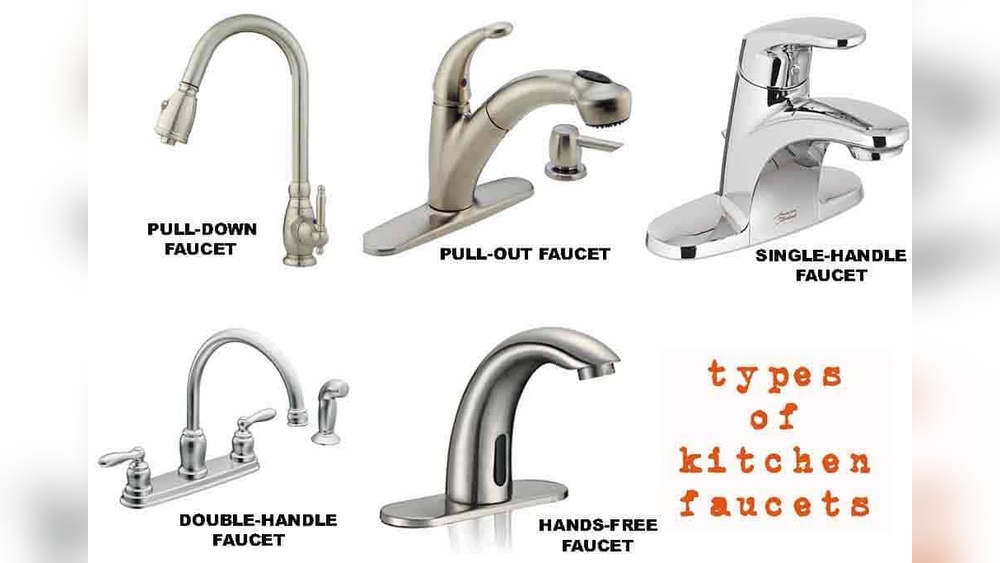
The words faucet, tap, and spigot all refer to devices that control the flow of water, yet they are used differently across the English-speaking world. Many people wonder if these words are interchangeable, or if they have unique meanings depending on where you live, what you are describing, or even the type of water system you use. This article will help you understand the differences, similarities, and the right context for each term. By the end, you’ll be able to confidently use the correct word, whether you’re talking about your kitchen sink, an outdoor garden hose, or a public water point.
What Is A Faucet?
A faucet is a device that controls the flow of water from a pipe. Most people in the United States and Canada use the word “faucet” to describe the handles and spouts found in kitchens, bathrooms, and utility sinks. Faucets are an important part of daily life, as they provide a controlled way to access clean water.
Main Features Of Faucets
- Usually made from metal, such as brass or stainless steel.
- Designed for indoor use.
- Often have one or two handles to adjust water temperature.
- Include aerators to control flow and reduce splashing.
- Can be part of a sink, bathtub, or shower.
Common Places To Find Faucets
- Kitchen sinks – For washing dishes and preparing food.
- Bathroom sinks – For brushing teeth and washing hands.
- Bathtubs and showers – For bathing.
- Utility sinks – In laundry rooms or workshops.
Faucets have evolved over time. In the past, most faucets had separate handles for hot and cold water, but now many homes have single-handle faucets that mix the temperature for you. Some modern faucets even have touchless sensors or built-in water filters.
Types Of Faucets
There are several types of faucets, each designed for specific uses:
- Compression faucets – Use rubber washers to seal the flow; often found in older homes.
- Ball faucets – Use a rotating ball to control flow and temperature; common in kitchens.
- Cartridge faucets – Have a movable cartridge for smooth control; easy to repair.
- Disc faucets – Use ceramic discs; very durable and drip-resistant.
Each type has advantages in terms of cost, durability, and ease of use.
What Is A Tap?
The word tap is widely used in British English and other parts of the world, such as Australia, India, and South Africa. It refers to the same device Americans call a “faucet.” However, “tap” can also mean a valve controlling the flow of any liquid, not just water.
Where “tap” Is Used
- United Kingdom – All household and public water outlets are called taps.
- Australia and New Zealand – The term is standard for both indoor and outdoor water devices.
- India, Pakistan, and parts of Africa – “Tap” is the normal word, especially in schools and public spaces.
In these regions, you might hear someone say, “Turn on the tap,” instead of “Turn on the faucet. ”
Differences In Tap Design
Taps in different countries may look a bit different due to local plumbing standards. For example, older British taps often have separate spouts for hot and cold water, while American faucets usually mix the two.
Taps can also refer to:
- Beer taps – Devices that release beer from a keg.
- Gas taps – Valves that control the flow of gas in appliances.
Everyday Examples Of Tap Usage
- “Please fill my glass from the tap.”
- “The tap in the garden is leaking.”
- “Turn off the tap when you brush your teeth.”
In public places like schools, stations, and parks, you will usually find water taps installed for drinking or washing hands.

Credit: dovisplumbing.com
What Is A Spigot?
A spigot is a word more common in American English, but it has a specific meaning. It usually refers to an outdoor water outlet. If you look at the side of a typical American house, you will see a metal valve where you can attach a garden hose—this is called a “spigot.”
Key Features Of Spigots
- Located outdoors or in utility areas.
- Made from durable metal for weather resistance.
- Turned on and off with a handle or knob.
- Designed to connect to hoses or fill buckets.
Spigots are often simpler in design than indoor faucets. They may not have features like aerators or temperature mixing.
Where Are Spigots Found?
- Garden walls – For watering plants or washing cars.
- Public parks – For filling watering cans.
- Campgrounds – To provide water for campers.
- Farms – For filling troughs or connecting irrigation.
Spigots are also sometimes called hose bibs or hose faucets. In some parts of the southern United States, you may also hear the term “bibcock.”
Spigot In Plumbing Terminology
In plumbing, “spigot” can have a different meaning. It also refers to the male end of a pipe that fits into a “bell” or “hub” (the female end). But in daily speech, most people mean the outdoor water outlet.
Regional Differences In Usage
The choice between faucet, tap, and spigot often depends on where you live. Here is a comparison of which term is used in different English-speaking countries:
| Country/Region | Indoor (Sink/Bath) | Outdoor (Garden/Lawn) | Common Alternative |
|---|---|---|---|
| United States | Faucet | Spigot/Hose Bib | Tap (rare) |
| United Kingdom | Tap | Tap (Outdoor Tap) | Faucet (rare, technical) |
| Canada | Faucet | Spigot/Tap | Hose Bib |
| Australia | Tap | Tap (Garden Tap) | Faucet (rare) |
| India | Tap | Tap | Faucet (not used) |
This shows that “tap” is the default word in most of the world, while “faucet” is favored in North America, and “spigot” is mainly for outdoor use.
Key Differences Between Faucet, Tap, And Spigot
While these words sometimes refer to the same device, there are important differences in usage, design, and context.
Main Differences
- Faucet: Usually means indoor water outlets; common in American and Canadian English.
- Tap: Used for both indoor and outdoor water outlets; standard in British and Commonwealth English.
- Spigot: Refers to outdoor water outlets; mostly used in American English.
Design And Function
| Feature | Faucet | Tap | Spigot |
|---|---|---|---|
| Primary Location | Indoors | Indoors/Outdoors | Outdoors |
| Temperature Mixing | Common | Depends on country | Rare |
| Handles/Controls | Single/Double handle | Single/Double handle | Single handle |
| Connection for Hose | Rare | Sometimes (garden tap) | Standard |
| Durability | Medium-High | Medium-High | High (outdoor use) |
Language And Context
The context in which you use each term is important. For example, you would not ask for a “spigot” when looking for a bathroom fixture in the U. S. , nor would you ask for a “faucet” in a British hardware store.
Why The Confusion Exists
One major reason for confusion is English language variation. English has developed in different ways in the U.S., U.K., and other countries. Words that mean one thing in one country can mean something else—or nothing at all—in another.
Another reason is the spread of American media. People in other countries are exposed to the word “faucet” through movies, TV shows, and the internet, even if they don’t use it in daily life.
Finally, some hardware stores use all three words in their catalogs, which can make shopping confusing. For example, online stores often list products under “faucet/tap/spigot” to cover all terms.
How To Choose The Right Term
If you want to sound natural, it’s best to use the word that matches the region or context you are in.
- In the U.S. or Canada, say “faucet” for indoor sinks and “spigot” or “hose bib” for outdoor water outlets.
- In the U.K., Australia, or India, “tap” is correct for both indoor and outdoor uses.
- When traveling or writing for an international audience, use “tap” (it is widely understood), or clarify with extra words (“kitchen tap,” “garden spigot”).
If you are buying plumbing parts or talking to a plumber, use the word they are most likely to use for your region.
Historical Origins Of Each Word
Understanding the history of these words helps explain how their meanings developed.
Faucet
The word faucet comes from the Old French “fausset,” meaning a bung for drawing liquid from a cask. In the 15th century, it referred to a device for controlling wine or beer flow. Over time, the term shifted to water devices in North America.
Tap
Tap comes from Old English “tæppa,” which also meant a stopper for a barrel. It was used for beer and wine, and later for any valve that controls liquid flow. This term remained popular in Britain and its colonies.
Spigot
Spigot comes from Middle English “spigot,” which means a small peg or plug used to stop a hole. In plumbing, it became the word for a simple valve, especially outdoors or for barrels.
Modern Trends And Innovations
Today, the line between these terms is less strict due to global communication and new technology.
Smart Faucets And Taps
Modern kitchens and bathrooms now have touchless faucets and smart taps. These use sensors to start and stop the flow of water, helping to save water and reduce germs. Some high-end models can even be controlled by voice assistants.
Water Conservation
Water-saving devices are becoming more popular everywhere. Aerators, low-flow valves, and automatic shut-off systems can be found on both faucets and taps. Outdoor spigots now often include backflow prevention to keep water supplies safe.
Universal Design
Designers are creating products that work anywhere in the world. Many new products use the word “tap” or “faucet” together in their names, such as “kitchen faucet/tap. ”
Examples In Real Life
To help you see the differences, here are some real-world examples.
- In a New York apartment, you would wash your hands at a bathroom faucet, and water your garden with an outdoor spigot.
- In a London flat, you would use the bathroom tap and the garden tap.
- At a public park in California, you might fill your water bottle at a drinking fountain (not usually called a tap or faucet), but you would connect a hose to a spigot.
- On a farm in Australia, you would use a tap to fill animal troughs or to irrigate fields.

Credit: hofensanitary.com
Common Mistakes And Misunderstandings
Many English learners and even native speakers make mistakes when using these words. Here are some pitfalls to avoid:
- Calling all water outlets “faucets” in the U.K. or Australia. People may not understand you.
- Asking for a “spigot” in a hardware store in India. Staff may be confused.
- Using “tap” to mean beer tap in a plumbing context. The meaning changes depending on context.
- Assuming all outdoor valves are “spigots.” In many countries, “tap” is still the right term.
An insight that beginners often miss is that plumbing terminology can also differ within the same country. For example, people in the southern U.S. may use “spigot,” “hose bib,” or “bibcock” for the same device.
Another detail is that product packaging may use different terms for marketing. A product labeled “faucet” may still work as a “tap” or “spigot,” depending on where and how you install it.
Comparing Cost, Installation, And Maintenance
When you shop for a faucet, tap, or spigot, you may wonder about the differences in price, ease of installation, and maintenance.
| Type | Average Cost (USD) | Installation Difficulty | Maintenance Needs |
|---|---|---|---|
| Faucet | $50–$300 | Medium | Regular cleaning, washer replacement |
| Tap | $30–$250 | Medium | Similar to faucet |
| Spigot | $10–$50 | Easy | Minimal; check for leaks, winterize |
Spigots are typically cheaper and easier to install because they have a simple design and fewer parts. Faucets and taps, especially those with mixing valves or sensors, can be more expensive and require more care.

Credit: www.cn-aim.com
Environmental Considerations
Today, saving water is more important than ever. Both faucets and taps can waste water if they leak or are left running. Outdoor spigots can also waste large amounts if hoses are not turned off.
- A leaky faucet can waste over 3,000 gallons (about 11,000 liters) of water per year.
- Using an aerator can reduce water flow by up to 50% without affecting washing power.
- Outdoor spigots should be checked for leaks in the spring and fall.
- Modern taps and faucets often carry a WaterSense label, which means they are certified to use less water.
For more information about water efficiency, visit the U.S. Environmental Protection Agency.
Frequently Asked Questions
What Is The Main Difference Between A Faucet, Tap, And Spigot?
A faucet is the standard word for indoor water outlets in North America, while tap is used in the U.K., Australia, and many other countries for both indoor and outdoor outlets. Spigot mainly refers to outdoor water outlets in American English.
Can I Use The Terms Faucet, Tap, And Spigot Interchangeably?
In everyday conversation, most people will understand what you mean, but using the right term for your region or situation will help avoid confusion. “Tap” is safest for international use, while “faucet” and “spigot” are best reserved for North America.
Why Do American Homes Have Both Faucets And Spigots?
American homes often have faucets indoors for sinks, baths, and showers, and spigots outdoors for attaching hoses or filling buckets. Each is designed for its location, with spigots built for durability and simple operation outdoors.
Are There Any Technical Differences In How These Devices Work?
Yes. Indoor faucets and taps often have features like temperature mixing, aerators, and advanced handles. Spigots are simpler, with a basic valve mechanism for turning water on and off, and a threaded end for hose attachment.
What Should I Do If I’m Not Sure Which Term To Use?
Check what people around you say, or use “tap” if you’re writing for a global audience. When shopping, look at the product description and image to be sure you’re buying the right device.
Choosing the right word and device helps you communicate clearly and maintain your home’s plumbing. By understanding the differences between faucet, tap, and spigot, you can avoid confusion, save water, and make better decisions—no matter where you live.